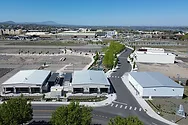
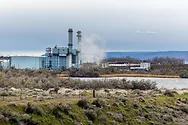
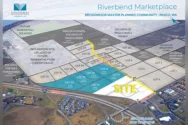
Port of Kennewick’s Vista Field has gotten the OK from the state Department of Ecology to move forward with development after a small amount of soil contamination was removed.
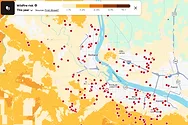
Wildfire risk and rising disaster costs are pushing home insurance premiums higher across Washington, with some areas seeing steep increases in recent years and further increase expected through 2026.
This Tri-Cities startup cracked a problem the agriculture industry has struggled with for years – how to make microbes work as practical, affordable alternatives to chemical fertilizers and pesticides. And local investors are working to keep it rooted in the Tri-Cities.
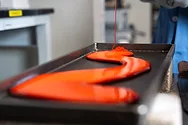
With the help of artificial intelligence, research from scientists at the Pacific Northwest National Laboratory in Richland could help optimize the vitrification of nuclear waste at Hanford and other nuclear sites.
In Benton and Franklin counties, a growing effort is underway to better understand how environmental factors influence both community health and the long-term vitality of the local economy.
State wildlife officials are implementing restrictions on public lands across the east side of the state weeks earlier than in past years due to low snowpack and the ongoing drought.
Eastern Oregon residents who have lived for years with contaminated water can move forward with a class action lawsuit against the Port of Morrow and large food processors in the area, a federal judge ruled.
As data centers increasingly dominate conversations around the country, Pacific Northwest National Laboratory and two partners have published a one-stop shop to help guide development.
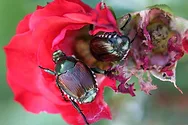
Of the agency’s top priorities is the eradication of Japanese beetles in south central Washington. They’ve been found in Kennewick, Pasco, Sunnyside, Mabton, Wapato and near SeaTac.

 RSS
RSS