
Taxpayers in the higher tax brackets now have a little breathing room to get at least some of their 2025 taxes filed. However, those who did not file a 2022 tax return must submit their paperwork to the IRS by April 15 if they want to claim any of the $34.7 million in unclaimed refunds owed to Washingtonians.
Drawing from an array of federal and state data, a new analysis shows the state’s cost of living rising faster than the national average over that time, with only California, New Jersey, Hawaii and Washington, D.C. considered more expensive in 2023.
From specialized medical equipment to scholarships, the March 26 fundraising breakfast for the Kadlec Foundation secured donations to support Kadlec Regional Medical Center and help it serve the region’s health care needs.
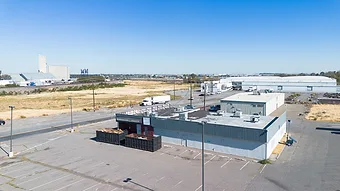
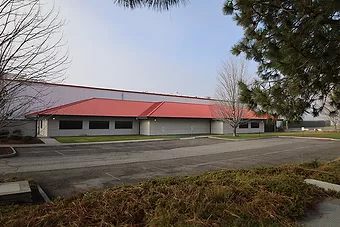
Lamb Weston’s shuttered Connell processing plant once again is on the chopping block as city and Port of Pasco leaders determine a path forward for the community.
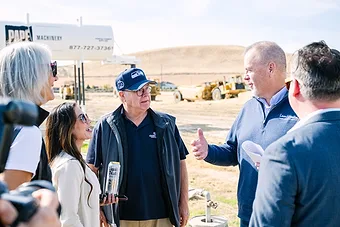
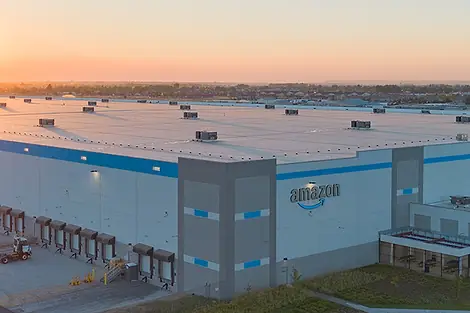
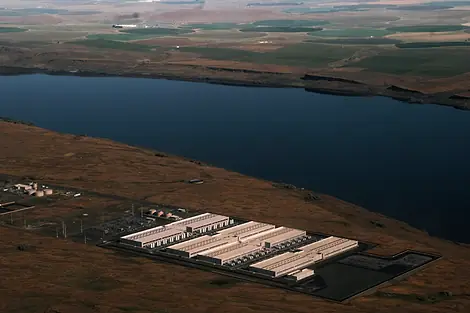
Amazon, the company once shrouded in secrecy that wants to build a $5 billion data center at Wallula Gap, is looking to buy even more land for the project.
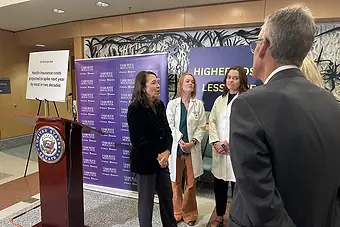
As Kadlec and other health care providers work to meet the growing and diverse needs of the region, they’re also trying to navigate perennial and increasingly difficult challenges in the industry related to workforce management, growing costs and shrinking reimbursements for federally subsidized care.
As part of cost-cutting measures, Washington State University is closing its College of Nursing campus in Yakima, and moving 28 students to Richland and Spokane to complete their programs.
Some Tri-Citians seeking elective care are turning to smaller hospitals rather than large health systems, citing shorter wait times, lower costs, and the perception of more personalized attention. At the same time, providers facing growing burnout are also drawn to these facilities for better work-life balance. The trend is shaping the region’s health care landscape, affecting staffing, patient access and the way local hospitals operate.
The nuclear company behind the small modular reactors planned for north of Richland has launched the process to sell common stock in the company via the Nasdaq stock exchange.
A state-level economic development association singled out the ports of Benton and Walla Walla for accolades in its annual awards for securing the most economically significant development projects in the past year.
Anyone who’s ever wanted to try a Lagree workout soon will have more options when the Tri-Cities’ only licensed Lagree Miniformer studio, Bluecarrot, opens two new locations in central Kennewick and west Pasco.
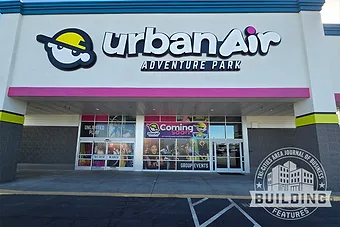
Vista Field’s first business has finally opened its doors after the 103-acre former airfield underwent years of planning to transform into regional town center.
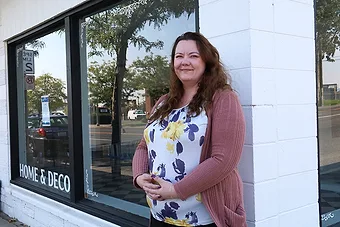
Two business owners who met at an awards event honoring them for their entrepreneurship have teamed up to take the reins of a Richland restaurant and bar, bringing a focus on hospitality and French food – along with a new name.
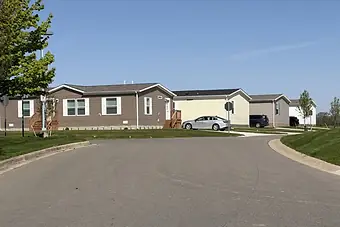
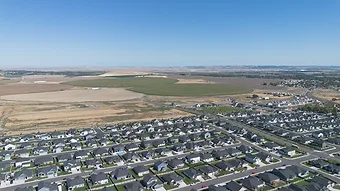
The Grove in West Richland is a new 80-unit residential community at 4529 Grove Court, near the intersection of Dallas Road and Kennedy Road. As of February 2026, eight units have been completed.
The Dr. Martin Luther King Jr. Community Center has completed the initial phase of its renovation at 205 S. Wehe Ave., near Kurtzman Park and Virgie Robinson Elementary School in Pasco.
A new survey from the Association of Washington Business finds 44% of Washington employers are considering moving their personal residence out of state, with more also exploring relocating their businesses. As lawmakers debate new taxes in Olympia, the findings underscore rising anxiety about Washington’s economic competitiveness.
With abundant land, affordable clean power and an experienced talent pool, the Tri-Cities can become the nation’s premier digital infrastructure hub. But the real opportunity lies in getting the balance right and pairing rapid growth with environmental responsibility, sound energy planning and meaningful returns for local communities.
Over and over, we hear there is a “skilled labor shortage” in construction, and that we simply don’t have enough skilled workers to meet demand. But we see a very different reality every day as the people who train and represent this workforce.