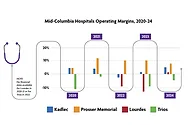
As Kadlec and other health care providers work to meet the growing and diverse needs of the region, they’re also trying to navigate perennial and increasingly difficult challenges in the industry related to workforce management, growing costs and shrinking reimbursements for federally subsidized care.
Some Tri-Citians seeking elective care are turning to smaller hospitals rather than large health systems, citing shorter wait times, lower costs, and the perception of more personalized attention. At the same time, providers facing growing burnout are also drawn to these facilities for better work-life balance. The trend is shaping the region’s health care landscape, affecting staffing, patient access and the way local hospitals operate.
Anyone who’s ever wanted to try a Lagree workout soon will have more options when the Tri-Cities’ only licensed Lagree Miniformer studio, Bluecarrot, opens two new locations in central Kennewick and west Pasco.
A Washington State University Tri-Cities alumna is not only helping people through her emergency medical residency, but also shedding light on complex health issues on her popular website.
Richland’s Fire and Emergency Services department is getting ready to deploy a new program to help save lives, and is hosting a community blood drive to help power up the service.
The opening of the Columbia Valley Center for Recovery in April will bring more than the first inpatient, residential behavioral health facility to the Mid-Columbia. It also will usher in a new model of care for those struggling with mental illness and substance use disorder in the state.
As part of cost-cutting measures, Washington State University is closing its College of Nursing campus in Yakima, and moving 28 students to Richland and Spokane to complete their programs.
Menopause is a natural stage of life that affects millions of working women, yet it often remains overlooked in workplace wellness efforts. As organizations expand their focus on mental health, flexibility- and whole-person well-being, menopause deserves to be part of that conversation, not as a private issue, but as a workplace support need that can directly impact performance, engagement and retention.