
Ben Franklin Transit CEO steps aside amid investigation
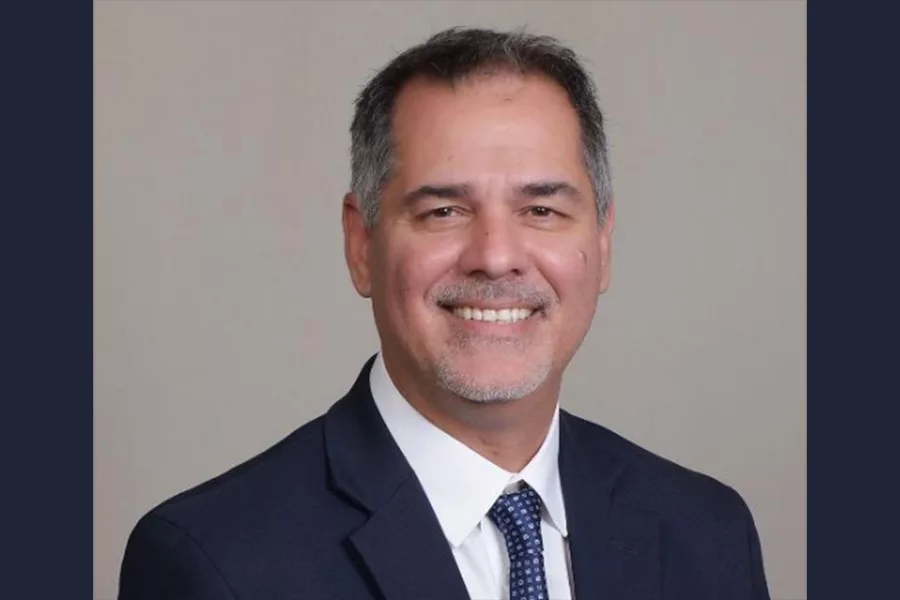
Thomas Drozt
Courtesy Ben Franklin TransitThe CEO of Ben Franklin Transit is taking voluntary paid administrative leave while an ongoing investigation into financial allegations continues amid union tensions.
Staff were notified of Tom Drozt’s leave Feb. 6 in a letter from Jeremy Bishop, an attorney from Pasco’s Roach & Bishop serving as BFT’s legal counsel. The letter said the decision was made in consultation with BFT’s Executive Committee and agency leadership with Drozt and determined it was “in the best interest of the organization.”
“Although the investigation has progressed more slowly than anticipated, all parties agree that placing Mr. Drozt on leave will help minimize any potential distractions and allow BFT to remain fully focused on delivering reliable, high-quality transit services to the communities we serve,” the letter stated.
Brian Lubanski, BFT’s chief experience officer, has been named interim CEO.
The Tri-Cities Area Journal of Business was scheduled to interview Drozt on Feb. 6 to ask questions related to the investigation, ongoing contract negotiations with its maintenance workers, unfair labor practice complaints filed by the union representing BFT staff, as well as hear updates on BFT initiatives.
Agency staff canceled the interview after 5 p.m. the day before without an explanation. A request from the Journal of Business to Bishop, the designated media contact, to respond to the questions went unanswered.
“I’m sure he won’t be back,” Russell Shjerven, secretary-treasurer of Teamsters Local 839, told the Journal when asked about Drozt’s exit. “Why would he leave if he has nothing to hide?”
An experienced leader
BFT provides hundreds of thousands of rides to residents going to work, school and other destinations in the greater Tri-Cities every year. It has more than 400 staff spread across drivers, maintenance, dispatch and administrative roles and had a $65.3 million budget in 2025.
Drozt became BFT’s CEO at the end of August 2024, replacing Rachelle Glazier, who resigned at the end of March after joining the transit agency in July 2022. The transit agency’s board, made up of representatives from county and municipal governments, voted unanimously to hire him for the position.
Drozt came with 25 years of experience in the transit industry, including serving as the deputy chief at Metropolitan Atlanta Rapid Transit Authority in Atlanta, Georgia, and general manager at MV Transportation in the greater Los Angeles area. He started his career as a bus operator and has worked in fixed route, bus rapid transit, rail, paratransit and rental car shuttles.
“My goal is to drive forward-thinking solutions that improve service reliability, prioritize safety, and create a seamless transit experience for everyone,” Drozt said in a statement when he joined BFT.
Since joining the transit agency, Drozt has brought new staff on in administration roles. One of those included Alex Smith, who joined BFT in April 2025 as its chief financial officer.
Financial allegations
The financial issues came to light in late November, after Smith, who had resigned just weeks earlier, sent an email to BFT’s board of commissioners about “a pattern of decisions and directives” from Drozt that went against standards to safeguard taxpayer dollars, ensure compliance and uphold financial transparency.
The email cited four specific issues:
- A non-competitive contract worth more than $125,000 awarded to an acquaintance of Drozt who also had a prior felony sexual assault conviction.
- A June 2025 payment of nearly $5,000 to an LLC formed a month prior and registered to Drozt’s stepson. The invoice claimed it was for 16 hours of leadership workshops in July but staff told Smith they had no recollection of the training, there was no documentation of it occurring, and the LLC’s website and address do not exist.
- Smith alleged he heard Drozt and a potential vendor discuss providing the CEO with access to an unrelated piece of software described as a horse-betting or wagering analytics application if the vendor were to receive a potential artificial intelligence, or A.I.,-related BFT contract. Drozt also directed staff to “creatively sole source” the procurement process for the contract, valued between $250,000 and $1 million, rather than use the required competitive process. There allegedly were also discussions about using an AI system to reduce represented union positions without the involvement of commissioners or notification to union leadership.
- Smith alleged there were repeated discussions about diverting about $3 million of the agency’s cash reserves into a grant-like program following informal conversations with a few commissioners rather than publicly with the entire board.
“I am not sharing these matters out of personal disagreement with Mr. Drozt,” Smith said in his email. “My only intent is to ensure the board is aware of situations that may warrant oversight, review or clarification.”
The agency’s investigation into the allegations is being led by Bishop.
“BFT will provide appropriate updates as the investigation progresses, in accordance with applicable policies and procedures,” Bishop said in the recent letter to BFT staff.
Union concerns
Even before Smith’s allegations about Drozt’s financial moves, employees and their union representatives were raising concerns about workplace culture.
Teamsters Local 839 represents six different employee groups at BFT. Teamsters’ Shjerven said in the past six months that BFT leadership has made unilateral changes to operations and increasingly penalized or fired staff for minor infractions. He alleged that the agency’s top brass were deliberately targeting union stewards.
Shjerven said the union could usually come to some settlement with past agency leadership, but Drozt and his cabinet have taken a hardline stance.
“We have a ton of grievances going forward, grievances going to arbitration, and they just don’t want to settle on anything,” he said.
BFT and the union have been in negotiations over the contract for maintenance staff since September, Shjerven said. Those discussions have already entered mediation with arbitration a possibility, with one of the main sticking points being that the union is seeking a pay raise for workers that BFT leaders say isn’t feasible.
Shjerven himself has had confrontations with BFT leadership in recent months. He was briefly prohibited from the agency’s Richland administrative offices, and said the police were called, after postings he made to designated union billboards raised questions about Drozt. His access was later restored, though he said he is frequently monitored when on site.
And while BFT staff have sought security staff at agency facilities, Shjerven said the recent staffing of security officers by a third-party company seems to be used more to intimidate staff than to provide protection when needed, such as during late night shifts.
“I’ve got members who’ve been working there a long time and they say they never thought there’d be a day they don’t want to come to work,” Shjerven said.
Ambitious plans ahead
Despite the tumult, BFT officials said the agency has seen successes with changes and improvements to its services and has ambitious plans for the coming year.
Among its new routes was Express Route 2X, launched in June 2025 and funded by a state grant. It was BFT’s first scheduled stop and pickup at the Tri-Cities Airport in years and came after years of community requests for it.
Airport ridership for the route is lower than expected, but it has seen 13,000 boardings since it launched, with Columbia Basin College and Running Start students making up 60% of its ridership.
“For a route that has been in service for only 7.5 months, we are pleased with the continued growth in demand,” according to a BFT statement. “January, typically a lower-ridership winter month, was almost as high as our busiest month of October, which is a great indicator of long-term success.”
Among the agency’s coming plans are breaking ground for a new facilities maintenance building, which will replace the currently 800-square-foot space used by maintenance staff with one that will be between 1,500 and 2,500 square feet. BFT has already awarded the contract to Bouten Construction of Richland, with the design still being determined.
Dial-A-Ride, which BFT took on in 1985, will have a major software upgrade that will provide operational and cost efficiencies while also better serving riders, agency officials said. It’s also part of the transition to Dial-A-Ride offering same-day service, which BFT said “would be life-changing for many of our community members who rely on Dial-A-Ride as their only means of transportation.”
The agency also has continued to modernize its Rideshare vehicles, make surplus vans from the service available to local nonprofits and continues a grant program started in 2024 to provide up to $750 in free bus passes per month to nonprofits and government agencies.
These efforts are expected to continue during Drozt’s absence.
“In the interim, BFT’s experienced leadership team and talented staff will continue to oversee daily operations without interruption,” Bishop wrote in his Feb. 6 letter to staff. “The agency is proud of its employees’ professionalism and unwavering commitment to serving riders and maintaining the high standards our community expects.”