How to build your own personal board of directors
It's almost impossible to become a high performer in any profession without a fantastic support team in front of you, beside you and behind you.
Just like an organization has a board of directors to guide it, you too can create your own personal board of directors to guide and encourage you.
Out in front
You need people in front of you. Mentors are those in your industry who have achieved what you want to eventually achieve. Look to them for wise advice, as you ask specific questions about their path to greatness.
You can even be mentored by authors, influencers and professionals you have never met, through reading their books and blogs or listening to their podcasts. Those in front of you can light your path.
Mentors provide wisdom from experience in your field; a roadmap based on their journey to success; answers to specific questions about navigating challenges; and inspiration through books, podcasts and content (even from afar).
At your side
You need people beside you. Coaches are people-helpers who encourage you to make progress on your self-appointed goals. They help you get clarity on your vision, and nail down the action steps to get closer to it. They process your decisions and ensure you align your life with your values.
You also need peers and colleagues who are on the journey but on a parallel path toward their own goals.
It’s great to have idea-people and those who are continuously improving themselves on your support team because of the contagious positive effect on your morale.
This category must also include your network: Those with whom you both add value to and receive value from, in the form of opportunities and resources and connections.
Those beside you can offer clarity on your vision and concrete action steps; accountability to align decisions with your values; mutual encouragement from peers on parallel paths; fresh ideas and contagious momentum from fellow strivers; and reciprocal value through opportunities, resources and connections.
Behind you
You need people behind you. Having your family in your corner is like no other feeling because through thick and thin, they stand with you. It’s a good reminder to not give your family your energy leftovers because of what they mean to you. Friends fall into this category of what I call “relational rebar.” They are for you even though they know your quirks and limitations. Friends fill in emotional gaps that family cannot.
I could add a third group here and that would be of your mentees, your successors, those into whom you are pouring your wisdom and experience so that they can thrive when you have moved on. It raises your game when you are role-modeling healthy character and best practices for someone else.
These kinds of supporters offer unwavering loyalty from family through every season; unconditional acceptance of your true self, quirks and all; emotional support that fills gaps only true friends can reach; opportunities to mentor others and cement your own growth; and motivation to model your best self for those watching you
How to build your board
The concept sounds great in theory, but how do you build this personal board of directors? Start by taking inventory of who’s already in your life. Map out the three categories and honestly assess where the gaps are.
You might discover you have plenty of cheerleaders behind you but nobody challenging you to grow. Or perhaps you're surrounded by peers but lack the wisdom of mentors in front of you.
Be intentional about filling the empty seats. Mentorship doesn't require a formal arrangement with someone famous or highly successful. Look for people just a few steps ahead of you who are willing to share their experience.
Send that email. Ask for that coffee meeting. Most successful people remember when someone gave them a chance and are willing to pay it forward.
Key characteristics to look for in your personal board:
- Diversity of perspective. Don't surround yourself with people who think exactly like you.
- Track record of growth. Seek those who've overcome obstacles and continued learning.
- Generous spirit. Find people who genuinely want to see others succeed.
- Honest communication. Value those who will tell you what you need to hear, not just what you want to hear.
For the "beside you" category, consider joining a mastermind group or professional association. These structured environments naturally create peer accountability. When you're meeting regularly with others pursuing excellence in their fields, you can't help but raise your own standards.
Don't overlook the value of paid coaching either. Yes, it's an investment, but a skilled coach brings objectivity and expertise that friends and family simply can't provide. They're trained to ask questions that unlock your potential and help you see blind spots.
Maintaining your board
Here's what many people may not realize: Building your personal board of directors isn't a one-time task.
Relationships require maintenance. Schedule regular check-ins with your mentors, even if it's just a brief update email.
Show up for your peers when they need support. Make time for family dinners and friend gatherings even when your calendar screams otherwise.
And remember, this is a two-way street. As you grow, you'll find yourself moving from mentee to mentor, from the one being supported to the one providing support. That's the beautiful cycle of a well-constructed personal board.
The strongest performers don't go it alone. They recognize their limitations and actively surround themselves with people who complement their weaknesses and amplify their strengths. Your personal board of directors isn't a luxury, it's a necessity for sustainable success.
Do you have names or faces in each of these three categories of a personal board of directors? If not, where is the seat at your table that needs filling? Nurture the relationships that have stood with you for years. They'll take you to the top. Along the way, express your gratitude for how they propped you up when you were down and how they encouraged you to take on that next hill.
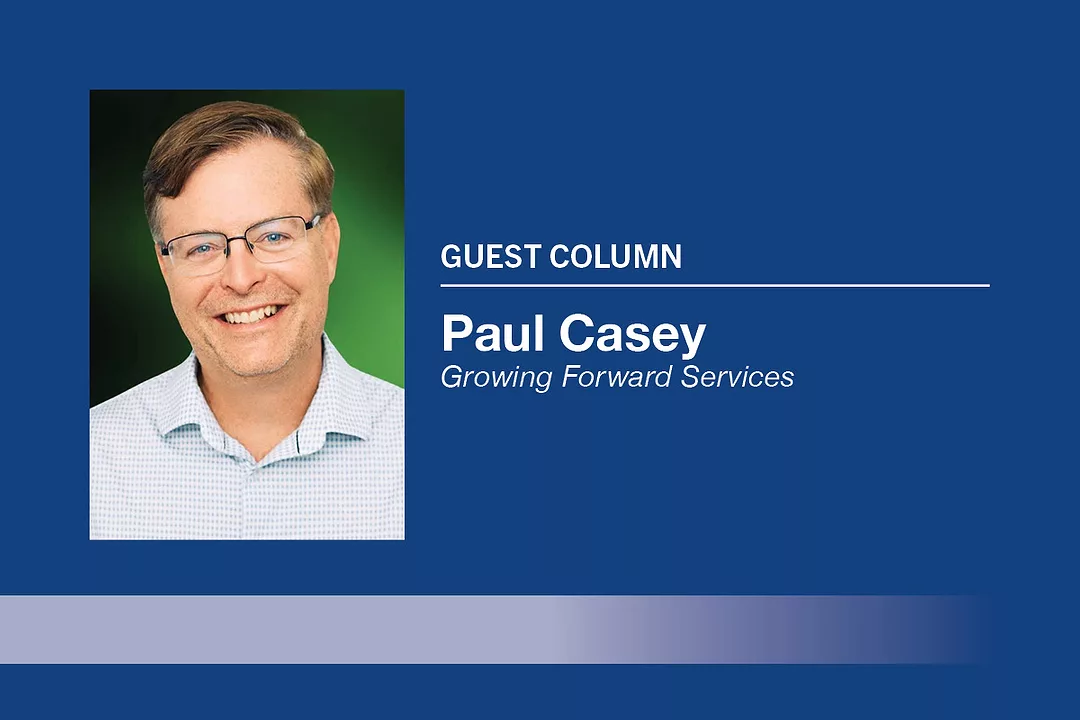
Paul D. Casey lives in the Tri-Cities and is the owner of Growing Forward Services, which aims to equip and coach leaders and teams to spark breakthrough success.