
Scams
A simple pause can save you a lot of trouble
If it feels like scams are everywhere lately, you’re not imagining it. People across Washington are being targeted every day. While scammers go after people of all ages, older adults often lose the most money.
Many scams go unreported. Some people feel embarrassed. Others aren’t sure who to tell. That’s understandable, but it also means scammers keep getting away with it.
Here’s the good news: You don’t need to know every scam out there to protect yourself. Scammers rely on rushing you and keeping you quiet. Slowing down – even for a few minutes – can make all the difference.
How could someone fall for that?
A lot of people ask that question. The truth is that scams don’t work because people are careless or foolish. They work because scammers are very good at pushing the right emotional buttons.
They often:
- Create urgency: “This has to be handled right now.”
- Pretend to be an authority: a bank, the government or a company you trust.
- Stir up strong emotions like fear, worry, excitement or sympathy.
Scammers may sound calm, polite and professional. Their goal is simple: get you to send money or share personal information before you have time to stop and think.
Let’s look at two scams we’re seeing a lot right now.
The relationship scam
This scam doesn’t always start with romance. Sometimes it begins with a friendly message on social media, an “errant” text or regular online conversations that slowly become part of your routine.
Over time, trust builds. Then comes the request – help with a bill, an emergency, or a “great” investment opportunity, often involving cryptocurrency.
Warning signs include:
- They want to move the conversation to texting or messaging apps.
- They ask you to keep things private.
- They rush you or make it hard for others to see what’s happening.
The ‘pay this way’ tactic
Scammers often demand payment in unusual ways, especially:
- Gift cards
- Wire transfers
- Cryptocurrency kiosks in grocery or convenience stores
Warning signs include:
- Real businesses and government agencies do not ask for payment with gift cards or cryptocurrency.
- Scammers may stay on the phone while you’re told to buy gift cards or use a kiosk. Some even tell you not to talk to store employees. That pressure alone is a big red flag.
One habit that helps
You don’t need to memorize every scam. Just remember these three steps:
- Pause: Stop for a moment. If something feels off, talk it through with someone you trust. Don’t click links, send money, share codes or read out passwords, no matter how urgent the message sounds.
- Verify: Use contact information you already trust. Look up the phone number or website yourself. Don’t use the link, number or QR code that came with the message. A good rule of thumb: hang up, then call back using the number on your card or statement.
- Report: Contact local law enforcement and report the episode to the FBI at ic3.gov. Reporting scams helps protect others and gives law enforcement the information they need to track scams occurring in the area.
Help is available
If you think you’ve been targeted – or even if you’re just unsure – the AARP Fraud Watch Network Helpline offers free, confidential help at 1-877-908-3360. Trained volunteers can listen and help you decide what to do next.
April is Fraud Prevention Month, and AARP Washington is hosting free in-person and online events across the state.
The events offer simple ways to take action and stay informed. See what is happening near you by visiting aarp.org/fraudsafety.
The bottom line
Scams succeed when they move fast and keep people silent. Slowing things down, checking independently and asking for help can protect your money and your peace of mind. Remember: giving yourself a little time to think is one of the best protections you have.
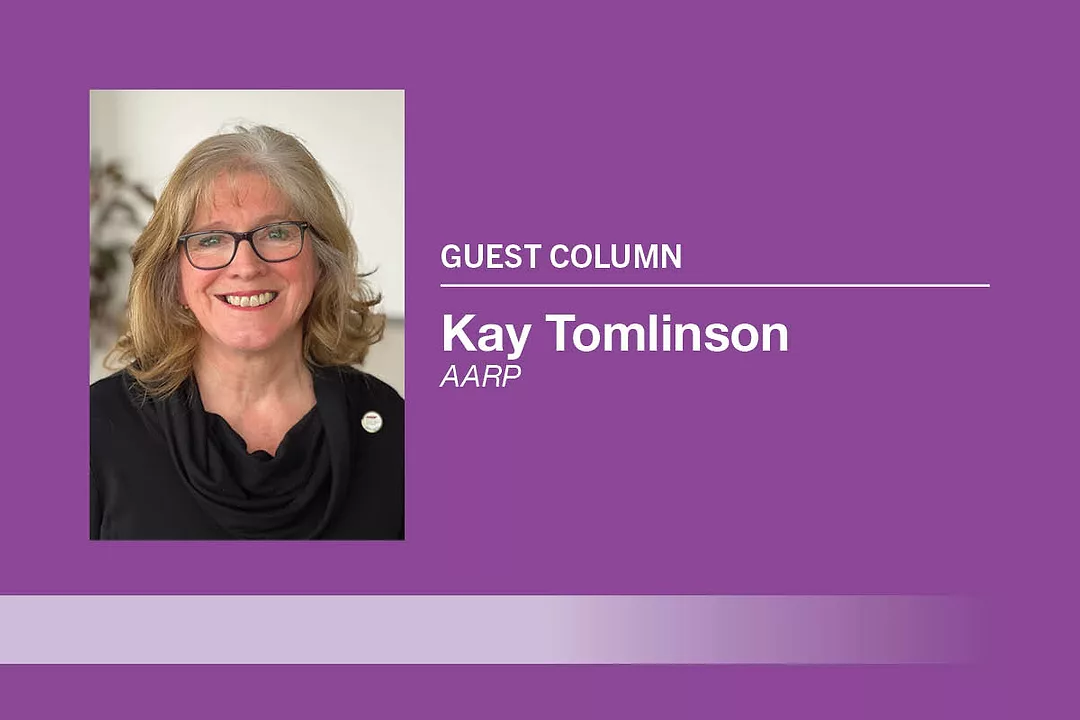
Kay Tomlinson is an AARP volunteer fraud watch specialist.