How leaders can spot burnout signals and save the day
Burnout is the sneaky office monster hiding behind long hours, missed vacations and cynical jokes. To preserve energy, engagement and performance, leaders must act early – and analytics can guide them. I speak with leaders often about this topic and how to avoid overall burnout.
Keep an eye out for these red flags and the solutions to remedy them:
Not using paid time off (PTO): An employee who hasn’t taken time off in weeks, finally plans a vacation. You learn they log into their email during their time away. That’s a problem. That’s not dedication. It’s a red flag.
Track unused PTO. If you notice a pattern of team members not using their PTO, don’t assume they’re ignoring a company perk. Leaders should ask: “How long since you last took a real break, phone out of sight?” Leaders should model unplugged behavior so employees feel safe to do the same.
When they brag about being busy … all the time: “Busy bragging,” or the art of telling everyone how swamped you are, isn’t a flex anymore. Burnout often surfaces as subtle overtime patterns: frequent after-hours logins, mounting idle time after peak focus, or missed deadlines despite long hours.
Evaluate frequency of out-of-hours logins or working past the standard work weeks and even weekends. Intervene with workload rebalancing when patterns emerge.
When irritability and snarky humor become their brand: Everyone loves a witty, sarcastic team member, until snark becomes their daily drip. Cynical humor often masks emotional exhaustion. When laughter goes from “witty” to “I’m just here to roast everything,” leaders need to step in and offer redirection.
Use pulse surveys. Ask how often small requests feel overwhelming or you snap at someone unexpectedly.
Additionally, work-related fatigue is a leading health concern and not taking steps to improve it only worsens the outcome.
Meanwhile, employees may continue working while sick or on leave, another form of burnout called “leaveism.” This is a recently coined phrase to describe this phenomenon.
When engagement metrics dip and behavior shifts sneak in: Burnout might not show as a chart drop, but it shows in irritability, mistakes, emotional numbing, missed deadlines.
Quiet disengagement can look like fewer contributions or more idle time after a high volume of tasks.
Compare baseline engagement on collaborative tools, meeting participation or response times. Use survey tools (even anonymous) to detect shifts in engagement and morale.
Addressing problems
What can leaders do to address the problem?
The first step is to map key burnout indicators by tracking PTO, overtime and after-hours work time, absence patterns, engagement and behavioral drop-off.
Set thresholds and alarms if no PTO is taken in a certain number of months; if employees are hitting more than 55 hours per week consistently (or whatever is appropriate for your team); and if there are absences up two or more sick days per month.
Create a dashboard that alerts early if engagement drops 30% from your set baseline –before the meltdown.
When you do check in, do it with care and consideration. In other words, offer empathy.
When flags pop up, a manager might consider reaching out with humor, but genuine concern: “You’ve been working so hard you’re glowing … error code burnout?”‑ Ask open-ended questions: “What’s on your mind?” Offer resources or conversation, not performance interrogation.
Ban the hustle narrative
Normalize the rest, and ban the hustle narrative.
Implement company-wide “disconnect weekends” and mandatory holiday use. Leadership should model self-care. (“I’ll reply Monday because this isn’t the ER,” as one CEO put it).
Track your metrics. If you see fewer sick days, lower overtime logs, improved survey scores and fewer snarky comment bombs and actual humor returns – you’re winning.
Finally, leaders who blend data-driven insight with empathetic ‑check-ins‑, plus a healthy dose of real talk and humor, are far better positioned to spot burnout early. The goal isn’t to cheerlead 24/7 – it’s to let your team recharge, reclaim their energy and come back with gusto.
Leaders must take care of themselves so that they can better help others take care of themselves. Be a model to those on your team. When you completely unplugged in your off time or take advantage of mandatory breaks, you give your team permission to do the same. In essence, you’re modeling health, wellness and balance.
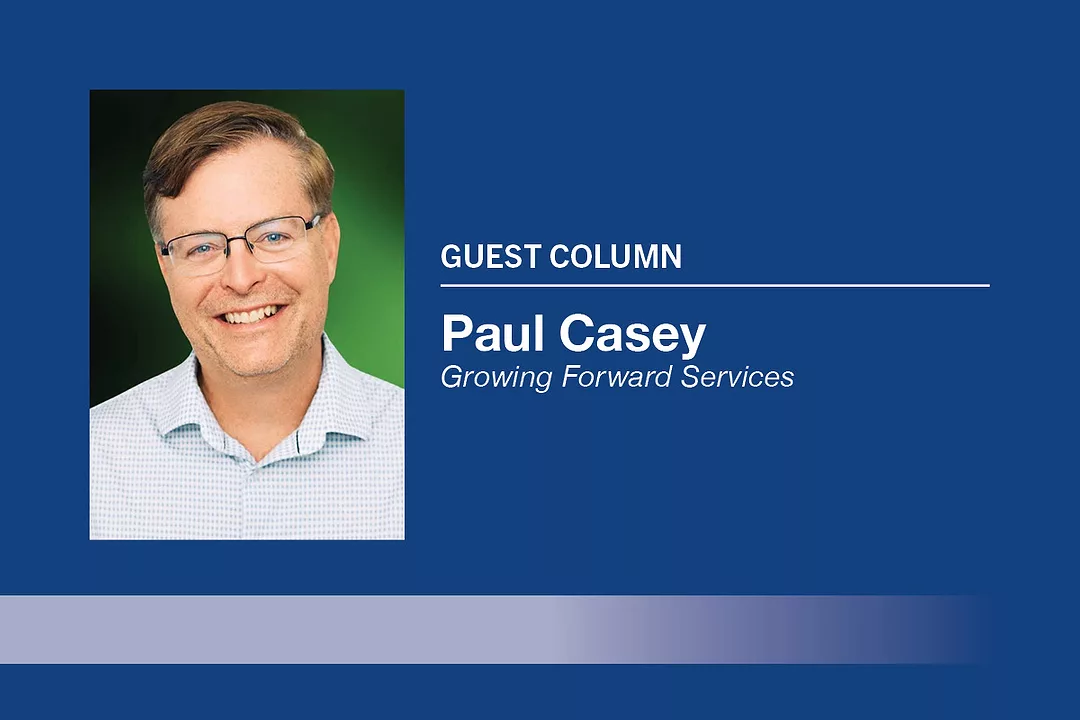
Paul D. Casey lives in the Tri-Cities and is the owner of Growing Forward Services, which aims to equip and coach leaders and teams to spark breakthrough success.