
UPDATE: Vitrification imminent at Hanford site
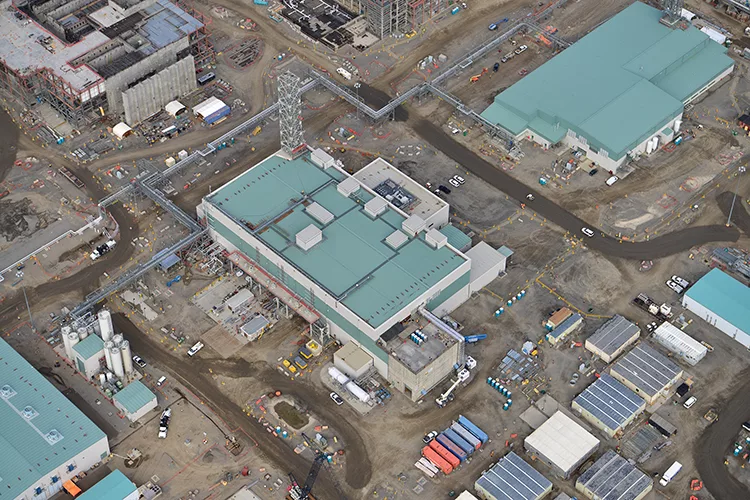
Two batches of hazardous waste have been sent to the vitrification plant at Hanford but the process of turning the toxic material into glass form has not yet begun – though it is imminent.
U.S. Sen. Patty Murray, D-Washington, sent a statement to news media Oct. 10 heralding the start of vitrification, but sources close to the work at the Hanford site facility commonly called the vit plant say actual vitrification has not yet begun.
A Murray spokesperson said the senator was “referring to the overall process of vitrification with radioactive material entering the Direct-Feed Low-Activity Waste facility. When the first tank waste is officially turned into glass, the senator will certainly celebrate that milestone as well.”
The vit plant’s next step is to get samples from the waste-receiving vessels to determine the correct recipe to transform the waste into glass. So far, 25,000 gallons have been received.
Vitrification is scheduled to occur in the next few days with the U.S. Department of Energy (DOE) expected to announce the news on Oct. 15, the court-mandated deadline for DOE to begin processing waste at the Waste Treatment Plant, the complex of facilities commonly called the vitrification or vit plant.
The waste will be vitrified at the Direct-Feed Low-Activity Waste (DFLAW) facility at the plant for safe, long-term storage. The processing is part of the hot commissioning phase, where actual tank waste is fed into the facility to test its systems. Once that is successfully completed, the facility will ramp up to run 24 hours a day.
The vit plant is the largest and most technically sophisticated radioactive waste treatment plant in the world, officials say. Designed and constructed by federal contractor Bechtel National, it has taken more than 20 years and tens of billions of dollars to build.
The hot commissioning phase at the vit plant comes after a month fraught with concern from federal and state lawmakers, government watchdogs and other stakeholders after reports that DOE Secretary Chris Wright wanted to take cleanup at the Hanford site “in a different direction.”
Wright, in multiple statements, denied that there was any intention to halt vit plant startup. But that did not prevent Gov. Bob Ferguson and other state leaders to say that the state would pursue legal action to make sure the facility was processing waste by Oct. 15 as required by the Tri-Party Agreement, which DOE, the state Department of Ecology and the U.S. Environmental Protection Agency are signatories to.
The ongoing federal government shutdown could complicate the facility’s ongoing operations.
On Oct. 8, Hanford Tank Waste Operations & Closure (H2C) notified the Hanford Atomic Metal Trades Council (HAMTC) that due to Congress’ inability to pass a federal budget or continuing resolution, the contractor was “directed by DOE to reduce operations to a ‘minimum safe’ staffing level, effective Oct. 20, 2025,” according to the notice from Mike O’Conner, H2C’s labor relations manager.
H2C is the contractor that will take over operation of the vit plant once it is fully operational.