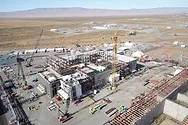
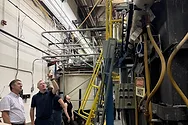
The system that pretreats hazardous tank waste at the Hanford site before it can be transformed into glass is back online after a more than six-month shutdown.
The U.S. Department of Energy is changing how it picks members for its citizens advisory board at the Hanford site, a move critics say will diminish public knowledge and oversight of the cleanup efforts there.
A year after a Hanford site facility returned to service following six years of repairs and upgrades, it has added hundreds of thousands of gallons of space in underground tanks, just by evaporating water in the hazardous waste they contain.
The U.S. Department of Energy has officially reclassified some waste being stored in tanks at the Hanford site, paving the way for it to be treated by a means different than vitrification.
The U.S. Department of Energy has officially reclassified some waste being stored in tanks at the Hanford site, paving the way for it to be treated by a means different than vitrification.
What does a U.S. Air Force base on the Pacific island of Guam have to do with the Hanford site? Enough that Washington's attorney general joined a Supreme Court brief over it.
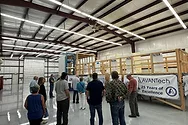
Hanford site contractors, U.S. Department of Energy officials and other partners recently completed a test of technology for the still-under-construction High-Level Waste Facility of the site’s Waste Treatment and Immobilization Plant two months ahead of schedule.
For the first time in years, we have a realistic opportunity to move much faster, without sacrificing safety or effectiveness. The only unacceptable option now is inaction.

 RSS
RSS