
Vit plant produces 20 containers of vitrified glass
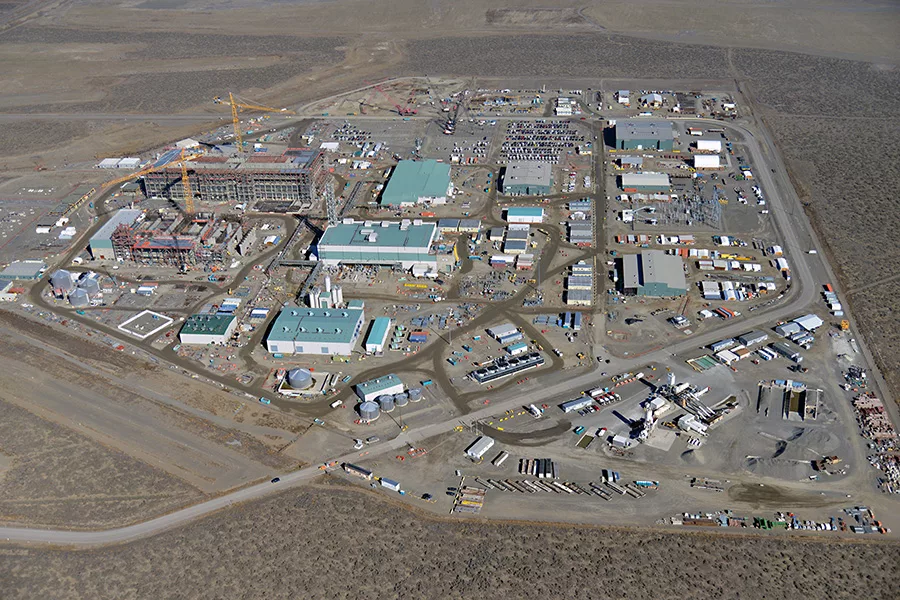
Bechtel National Inc. is designing and building the Hanford Vit Plant for the U.S. Department of Energy.
Courtesy Bechtel National Inc.The state-of-the-art facility that began processing toxic waste at the Hanford site in mid-October has reached another milestone.
The Waste Treatment and Immobilization Plant, commonly called the vitrification or vit plant, has produced 20 stainless steel containers containing low-activity waste immobilized in a glass form weighing a combined 140 tons.
Officials with Bechtel National, the firm that designed, built and is commissioning the vit plant, confirm the facility has entered its extended hot commissioning phase, where operators build production consistency and establish a rhythm for sustainable operations.
“Our team has turned progress into momentum, and we’re committed to carrying that forward through continued operations,” said Brian Hartman, project director and senior vice president with Bechtel for the vit plant, in a statement.
The vit plant is the largest and most technically sophisticated radioactive waste treatment plant in the world. It cost billions of dollars and took decades to build with the goal of processing the 56 million gallons of waste stored in 177 underground tanks at Hanford, a legacy of nuclear weapons manufacturing dating back to World War II and the Cold War.
The Direct-Feed Low-Activity Waste facility of the vit plant is fed the tank waste, and, using a process called vitrification, mixes the waste with a tailored blend of chemicals to turn it into a glass form for stable and safe long-term storage. The treated waste will then be stored at Hanford’s Integrated Disposal Facility.
Once hot commissioning is complete, the facility will ramp up to run 24 hours a day, with Hanford site contractor Hanford Tank Waste Operations and Closure, or H2C, taking over operations.
“Each container represents tangible progress in the mission to protect the Columbia River and community,” said Mat Irwin, the U.S. Department of Energy’s Hanford Field Office assistant manager for the vit plant.
In the weeks before hot commissioning began, federal lawmakers raised doubts about whether DOE would proceed with making the vit plant operational, following reports that Energy Secretary Chris Wright wanted to take the Hanford cleanup “in a different direction.”
Wright pushed back against those reports, including during his recent visit to the Tri-Cities where he said they were never true and that DOE is committed to cleaning up legacy waste at Hanford. He visited the vit plant on Dec. 5 on a recent swing through the Tri-Cities.