
Caregivers should embrace the holiday spirit, not the stress
The holidays are often pictured as joyful and bright, but if you’re caring for a loved one, the season can sometimes feel overwhelming. Balancing traditions, family expectations and caregiving duties is no small task.
AARP research has found that most caregivers report higher levels of emotional strain during the holidays. The good news is that with some planning, open communication and self-compassion, it’s possible to create a meaningful holiday season without being exhausted.
Focus on what matters
One of the greatest gifts caregivers can give themselves is permission to let go of the idea of a “perfect” holiday. Instead of trying to maintain every tradition, choose what matters most and scale back the rest. AARP suggests simplifying meals with potlucks or fewer dishes, trimming back decorations or replacing large gatherings with smaller, more manageable activities.
Consider new traditions that suit your current situation, such as watching a favorite holiday film together, driving through a neighborhood light display, or baking just one or two favorite recipes. What counts is the connection, not the perfection.
Share the load
Too often, caregivers feel they must shoulder everything alone. But the holidays are a perfect time to ask for help. Surveys show that caregivers want and need support with tasks like meal prep, shopping and even taking on caregiving duties for a short while.
When requesting help, be clear and specific. Instead of saying, “I need more support,” try: “Could you stay with Mom for two hours so I can do holiday shopping?” This kind of communication encourages cooperation and makes it easier for family to pitch in meaningfully.
Care for yourself
Caregivers often put themselves last, especially during the holidays. But your well-being matters. Small breaks – whether it’s stepping outside for fresh air, calling a friend or enjoying a few quiet minutes with a book – can restore your energy. Remember: taking care of yourself isn’t selfish, it’s essential. When you feel nourished, you’re better able to care for your loved one.
Plan for loved one’s needs
Finally, remember to center holiday plans on your loved one’s comfort. Keep gatherings shorter, build in rest breaks and watch for signs of fatigue or overstimulation. For loved ones with dementia or mobility issues, plan low-stress activities at home or in familiar settings. If traveling, allow extra time and anticipate dietary, medical and mobility needs.
Simple adjustments can make the holidays safer and more enjoyable for the person you care for while reducing stress for you.
Caregivers don’t have to do it all. By scaling back expectations, enlisting support, taking care of yourself and adapting traditions, you can create a holiday season centered on what truly matters: meaningful moments of connection. This holiday season, give yourself permission to simplify, share the load and savor the small joys along the way.
Looking for additional support? Go to: aarp.org/wacaregiverresources.
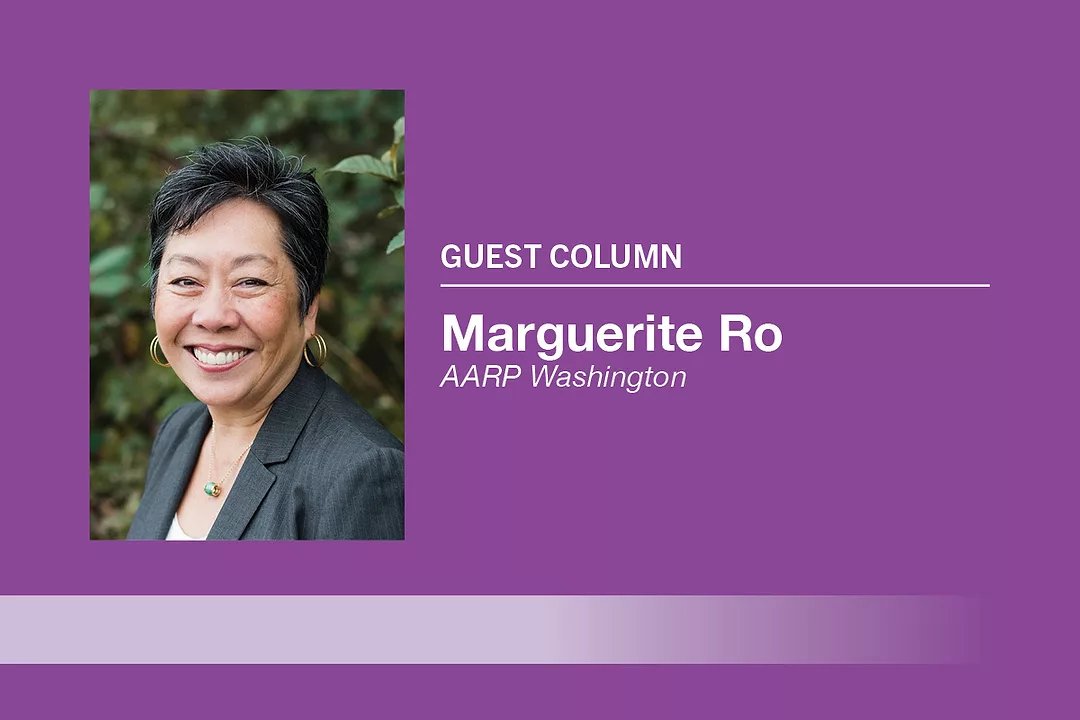
Marguerite Ro is the state director of AARP Washington.