State continues studying potential impacts of Snake River dam removal
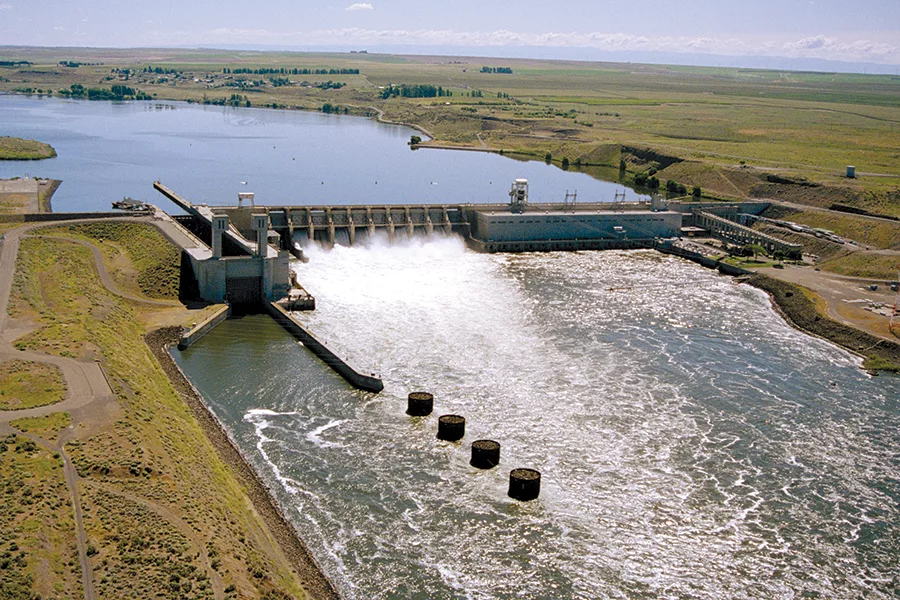
The federal government may have pulled out of an agreement that could have led to removal of the four Lower Snake River dams, but the state continues to evaluate how their removal in the future could impact transportation networks.
The state Department of Transportation (WSDOT) has moved into the next phase of its Lower Snake River Dams Transportation Study, according to a release. The second phase of the study, it will have transportation officials also considering safety issues resulting from potential removal of the dams.
“The study focuses only on potential effects of a dam removal, if that were to happen, not issuing recommendations about removal,” WSDOT said in a statement.
The public can learn about the study’s progress and provide input during an online open house through Feb. 16. The online open house is available in both English and Spanish. Visitors will have an opportunity to submit comments to the project team about the information that is presented.
The 2023 Resilient Columbia Basin Agreement involved pausing active Snake River litigation for a minimum of five years while the federal government worked with tribes and states on a plan to advance recovery of native fish populations in the Columbia Basin.
At the heart of the issue are four Snake River dams that provide irrigation and emissions-free hydropower for nearby communities, but have also contributed to the near extinction of 13 salmon and steelhead populations that return to the Columbia Basin from the Pacific Ocean to spawn.
The Columbia Basin Restoration Initiative included a road map for salmon and steelhead recovery, as well as steps to replace the energy, transportation, irrigation and recreation services provided by the four lower Snake River dams so they could potentially be breached.
In June 2025, President Donald Trump signed a memorandum withdrawing the federal government’s support from the agreement, calling it “radical environmentalism” and saying completion of the restoration initiative would “be devastating for the region.”
Northwest states, tribes and environmental groups resumed suing the federal government over the dams in September 2025.

Stay Informed. It’s Free.
Subscribe to our newsletters and get the latest news and insights delivered to your inbox.
We respect your privacy.
Unsubscribe anytime.
Thank you!
You’re subscribed. Keep an eye on your inbox for the latest updates.