



Hydropower in the region is expected to increase about 17% compared to last year, a welcome boost to growing energy demand, but will still be below the 10-year average, according to the U.S. Energy Information Administration.
Energy Northwest’s nuclear powered Columbia Generating Station will produce enough additional energy to power 125,000 homes under a new deal with the Bonneville Power Administration.
Small modular reactors offer a pragmatic and scalable path to reliable energy. With backing from government and the private sector, the Tri-Cities and the broader U.S. have a chance to lead a nuclear energy renaissance.
Private companies aren’t the only ones eyeing the Mid-Columbia for its potential as a site for data centers and development of artificial intelligence.
No Tri-City area lawmakers voted against the bill, though state Rep. Gloria Mendoza, R-Grandview, was absent for the vote, and two Yakima-area state lawmakers, state Reps. Chris Corry and Jamie Dufault, voted against it.
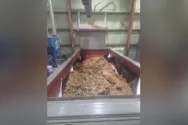
Recently published research from a WSU Tri-Cities scientist describes a new cheaper method for treating leftover corn stalks, husks, and other materials so its cellulose can be more easily broken down into the sugars needed for biofuel.
Officials said the new substation south of the Tri-Cities is a precursor to Bonneville Power Administration’s grid expansion plans, which includes proposals for 23 different projects in Washington, Oregon and northern California that will cost billions to construct and bring online.
By leveraging both its hydroelectric resources and heavy industry sectors, the PNW can create a new wave of economic prosperity and develop a regional energy hub that will benefit local industry and consumers.