Unpaid caregiving takes toll on retirement security
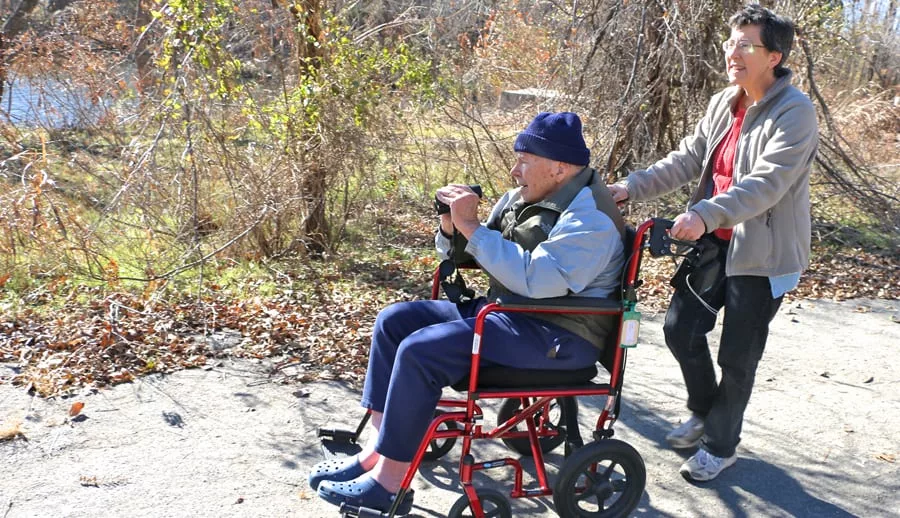
Unpaid caregiving can make it harder for Americans to save for retirement and may even push some into retirement earlier than planned, according to new research.
Nearly 3 in 10 Americans age 25 and older are unpaid caregivers, according to an analysis of the 2026 Retirement Confidence Survey from the Employee Benefit Research Institute and Greenwald Research.
The survey found caregivers were more likely to have lower financial assets and debt problems. Thirty-four percent had less than $10,000 in savings and investments, compared with 25% of non-caregivers. Sixty-nine percent said debt was a problem, compared with 57% of those who weren’t caregivers.
Some caregivers also are spending their own money or taking on debt to provide care. Thirty-four percent of caregiving workers reported providing financial support to the person they cared for, while 20% said they had taken on new or additional debt because of their caregiving responsibilities.
Those responsibilities can make saving more difficult. Among caregivers who were working, 56% said caregiving negatively affected their ability to save for emergencies, while 54% said it affected their ability to work the hours they wanted or needed.
Caregivers also expressed less confidence about retirement. Among households earning $75,000 or more, 32% of caregivers were not confident they would have enough money to live comfortably throughout retirement, compared with 23% of non-caregivers in the same income group.
The effects can extend to when people leave the workforce. Among retirees who were caregivers, 56% said they retired earlier than planned, compared with 44% of retirees who were not caregivers. Caregiving retirees were more likely to say they retired early because they needed to care for a spouse or another family member.