Report: Urban Growth Area limits negatively impact housing availability
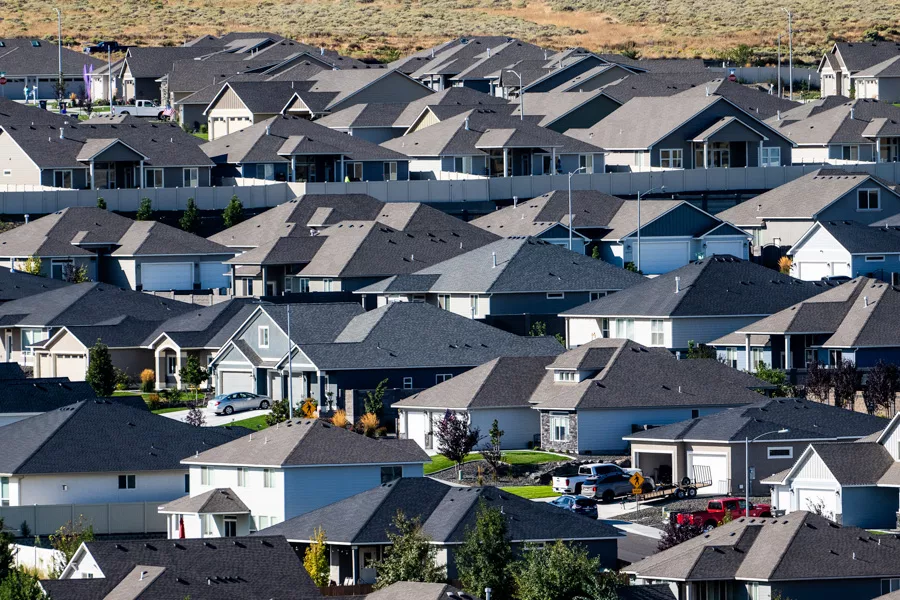
An advocate for homebuilders in Washington state says artificial limits on where development can occur contribute to housing costs and constrain the market.
The Building Industry Association of Washington’s (BIAW) “How Land Limits Contribute to Washington’s Housing Crisis” says that the state’s strict limits on urban growth areas (UGAs) means there’s sparse land available for homes in urban areas, driving up home prices in those markets and pushing homebuilding further out, which worsens commutes and vehicle emissions.
UGAs are part of the state’s Growth Management Act, first enacted by lawmakers about 30 years ago. Under the law, UGAs are areas where “urban growth shall be encouraged and outside of which growth can occur only if it is not urban in nature.”
“This important study shows that only 3.74% of Washington’s land lies inside designated urban growth areas,” said BIAW’s Executive Vice President Greg Lane in a statement. “In other words, for three decades now, Washington land-use policy has dictated that growth must fit into these tiny areas of our state.”
BIAW is urging lawmakers to loosen limits on expanding urban growth areas, create new zoning to moderate density and mitigate local government reductions to buildable land.