Eastern Oregon residents who have lived for years with contaminated water can move forward with a class action lawsuit against the Port of Morrow and large food processors in the area, a federal judge ruled.
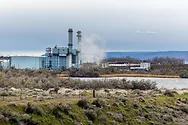
Umatilla Electric Cooperative in Hermiston is one of six utilities across Washington and Oregon that have absorbed the bulk of energy demands of data centers in the region. A growing number of utilities are using booming data center demand to justify skirting climate rules in both states that mostly ban the build-out of new gas infrastructure, citing the need for regional energy reliability.
Supporters of a Goldendale pumped-hydro energy storage project have said it will help meet growing regional energy demand, and the project developers tout its potential to one day power up to half a million homes without sending harmful greenhouse gases into the atmosphere. But mounting evidence shows a large data center campus could be among the main beneficiaries of that power.
Tech giant Amazon will pay $20.5 million to settle with northeast Oregonians living with contaminated groundwater in exchange for no admission of guilt in the polluting.
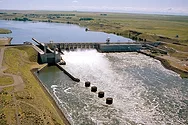
Northwest states, tribes and environmental groups will resume suing the federal government over its hydroelectric dam operations in the Columbia River Basin that have harmed endangered native fish species.
PNNL's director told staff in a meeting that up to 1,000 people could be cut if the current budget passes, a number that’s been echoed by state leaders.
The attorneys general argued in State of Oregon et al v. Donald J. Trump et al, filed April 23, that Trump was misusing a 1977 law and falsely claiming an “unusual and extraordinary threat” to the United States to justify the costly tariffs on nearly all imported goods.
Hydropower in the region is expected to increase about 17% compared to last year, a welcome boost to growing energy demand, but will still be below the 10-year average, according to the U.S. Energy Information Administration.
The nonprofit federal administration that provides one-third of the Northwest’s electricity is preparing to part ways with its current Western energy market and sell its excess energy to companies and electric cooperatives as far away as Louisiana.