
Homebuyers regain some leverage as inventory grows in Tri-Cities
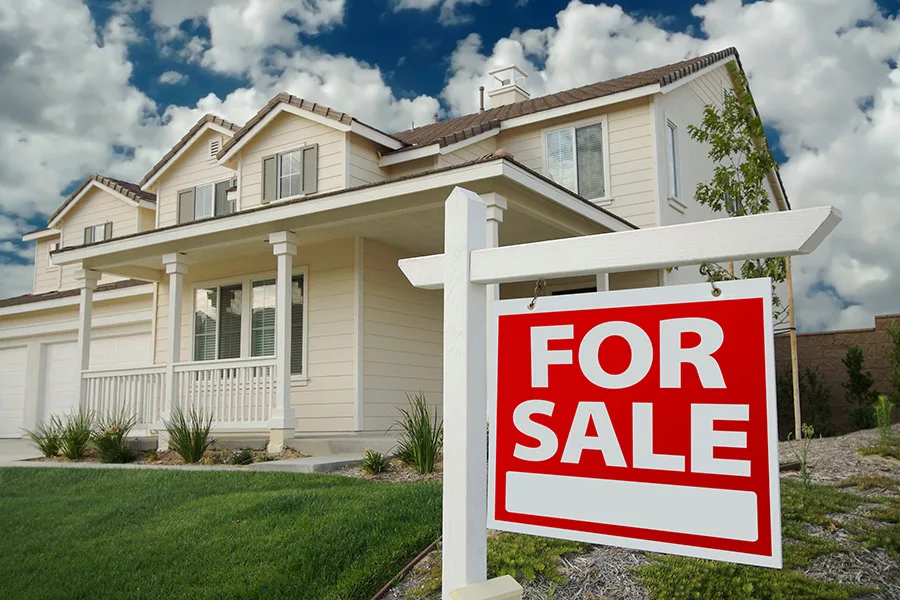
Is the Tri-Cities becoming a buyer’s market?
For the first time in more than 10 years, more than 1,000 homes were on the market in the Tri-Cities in June, the height of prime homebuying season.
Data from the Tri-City Association of Realtors also shows the average and median sold prices no longer climbing almost every month but settling into a range they have largely stayed within for the past year. Those homes also aren’t flying off the market as quickly, compared to the same time in the peak season of recent years.
And nationally, brokerages and realty groups are reporting high inventory, sluggish sales and, thus, dropping prices.
“Sellers need to start coming to terms with two things: One, homes are more often going to sit on the market for longer than a week or two before they sell, and two, buyers are gaining the upper hand,” said James Gulden, a Redfin Premier agent in Boston, in a recent report from the Seattle-based real estate brokerage firm.
Real estate experts and property developers don’t see the Tri-Cities market swinging completely to the homebuyer’s benefit yet. The region continues to see growth and there’s still strong demand for homes.
“We have been under-inventoried for so many years,” said Dave Retter of Retter & Co | Sotheby’s International Realty in Kennewick. “Think about how much more population do we have now?”
Benton and Franklin counties have seen a 6.3% population growth in the past five years, with more than 322,000 people now calling the region home.
At the same time, other factors are bringing the market back into balance, such as more resale homes being listed after years of new home construction largely carrying the load.
“There’s more opportunity for buyers, no doubt about it, compared to six months ago,” said Craig Smith, senior vice president of operations for Bend-based Hayden Homes, which has several residential developments in and around the Tri-Cities.
In June, Tri-City homes saw an average sold price of $477,400, up from the same month for the past two years but a drop from the record high of $487,300 seen in February, according to the association’s data. The median sold price in June was $429,000, above the median in June 2024 but slightly below what was reported in 2023.
The average number of days on market for a property came in at 46 days, nearly a week longer than the month prior and even longer compared to the same period in 2023 and 2024. Median days on market was 17 days, a shorter time frame than the month prior and June 2024, but also almost a week longer compared to June 2023.
Growth in the number of homes sold is anemic. In the first six months of 2025, sales grew by just under 1% to 1,685. Real estate agents reported 1,670 homes sold in the area in the first six months of 2024, a nearly 9% increase compared to the same period in 2023.
Retter said the increase in days on market isn’t significant, noting that farther back in the past, such as the decade between 2003-13, Tri-City homes could be on the market for 120 days and that was considered a seller’s market.
And the growth in listings is good, but an inventory of more than 1,000 homes doesn’t represent what it did back in 2014. The region had around 212,000 people at that time.
Meanwhile, currently, one of his firm’s agents is representing properties in Prodigy Homes’ Harmony Heights development, where homes start in the $720,000s, and “her phone is ringing off the hook.”
“We could have 1,300 to 1,500 homes for sale now and that would fit,” Retter said.
Homes in several price ranges had a healthy supply in June, according to a recent report on the Tri-Cities housing market from real estate brokerage John L. Scott Tri-Cities Pasco. Homes listed at $250,000 or less have seven months of supply. Those priced between $500,000 to $1 million have between four to five months’ supply, which the report describes as “healthy.”
Smith said his company’s analysis of the housing market says there is just under four months of housing inventory, which is the just below the four to six months’ worth that would indicate a balanced market.
Yet, there is definitely a shift ongoing. Along with more current homeowners being willing to sell their homes, buyers are wanting to seal deals quicker on new construction properties, forgoing options such as choosing lots, models and finishes. That means they want to walk through the actual home before they buy.
“That means more housing starts on the front end, which also ups listings,” Smith said.
The growth in available properties also is putting pressure on sellers. The John L. Scott report advises sellers to compare their home to others like them and make sure it can compete.
“To improve your competitive edge, make sure your home (and especially your yard) is ready for ‘showtime,’” the’ report stated.
Yet there are other conditions keeping a damper on the market. Mortgage interest rates are down from the near 8% rates seen in 2023, but are hovering between 6.5% and 6.75%, above the historic lows of past years. That all feeds into affordability, which remains a top issue for buyers.
While saying it was a separate issue, Retter noted first-time homebuyers are hard-pressed to find homes that will allow them to begin building equity. He’s hopeful that someone will begin building homes akin to the small two- or three-bedroom, one bathroom homes on small lots that got previous generations into their first homes.
“It gets them into a house and not paying for an apartment,” Retter said.
Smith said Hayden Homes has focused on keeping its homes affordable. Among its four developments with properties available to purchase, prices start as low as $375,000.
“Our goal is to build homes for the median family income in a market,” he said. “I think where we’re seeing the slower sales is at the higher price points.”
At the end of the day, Retter said the real estate industry needs to be better about serving clients so they get what they need out of selling their home or moving into a home they love.
For Hayden Homes’ part, they plan to keep building those future homes in what Smith said is a great community.
“We’re continuing to buy land, be strategic, but we still feel like there’s lots of opportunities in the Tri-Cities,” Smith said.