
Power bills may get pricier as region’s main supplier increases rates
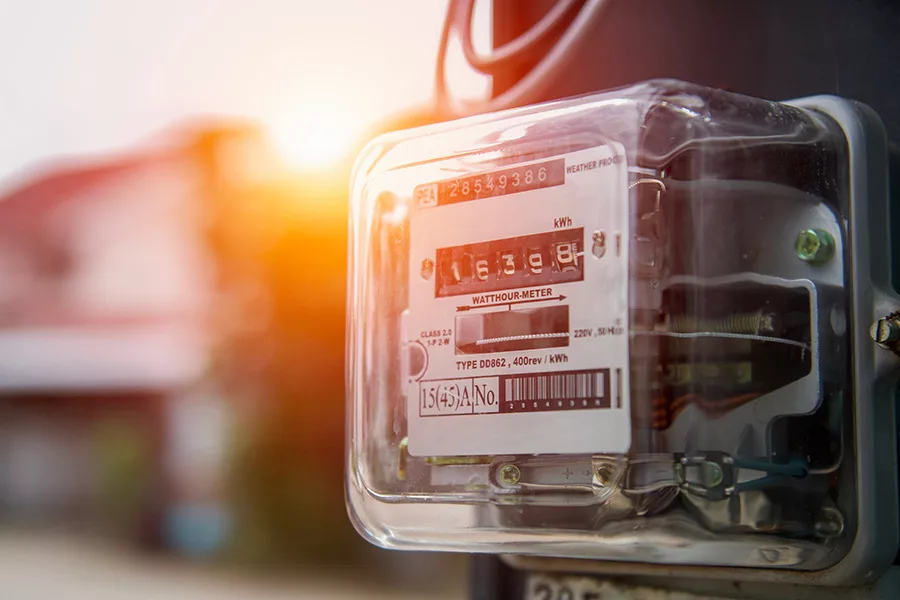
Tri-City electric bills may be about to get more expensive.
Bonneville Power Administration, which supplies the bulk of the electricity powering Tri-City homes, businesses and infrastructure, and the utilities it serves across the West have settled on power and transmission rates for the coming three years beginning in October 2025, according to a release.
The rates will require local utilities to pay between roughly 8% to 13% more for power as of this fall, according to BPA documents.
BPA officials say the rate increases are lower than initially planned and also come after “more than a decade of holding increases at or below the rate of inflation – an accomplishment that stands out among the rising rates of regional utilities during the same period.”
“We appreciate the incredible collaboration with our ratepayers across an array of power, transmission and tariff related matters,” said BPA administrator and CEO John Hairston in a statement. “We’ve developed a bedrock of support for the programs, projects and initiatives we’re implementing as Bonneville continues to meet the power and transmission needs of our utility customers, and to provide reliable, affordable and safe electricity to Northwest communities.”
Local utilities
It’s not immediately clear how those rate increases will be absorbed by local utilities, whether by finding efficiencies or passing on increased costs to their own customers.
“The increase in BPA’s power and transmission rates that will take effect October 2025 will undoubtedly impact our operational costs,” a spokesperson for Franklin PUD told the Tri-Cities Area Journal of Business in a statement.
BPA provides more than a quarter of the energy used in the Pacific Northwest. Utilities serving the Tri-Cities and its surrounding communities receive anywhere from half to more than 80% of their power from the federal agency.
BPA began pursuing the rate increases in November 2024. It developed them through a series of settlements among the public power districts and providers that pay for BPA’s power along with agency staff.
BPA has said that rate increases are necessary for it to not just maintain its thousands of miles of transmission lines and power generating facilities but to facilitate its grid expansion plans, which includes proposals for 23 different projects in Washington, Oregon and northern California that will cost billions to construct and bring online.
Earlier this year the agency brought a new substation online near Boardman and announced plans to build another substation and transmission line to serve the Tri-Cities and its growing population.
Rate impact
The average effective power rate increase for the majority of BPA’s power customers is 8.9%. The average transmission service rate increase across all products is 19.9%. However, the actual rate impact for each of the agency’s 142 power and 410 transmission customers varies based on the services BPA provides them.
In the Mid-Columbia, Benton REA, which serves West Richland, Benton City, parts of Prosser and other outlying areas of Benton County, is estimated to see a rate increase just under 10%.
Energy Northwest – the power cooperative that operates the Columbia Generating Station nuclear power plant – and Benton PUD are expected to see rate increases just over 10%.
Franklin PUD will see the biggest jump in rate at 13%.
Two of the utilities have already raised rates this year or have plans to raise them in coming years.
Benton PUD raised its rates by 5% on April 1, its first rate increase in five years. For the average residential customer, that’s an additional $6 to their monthly power bill, or about $72 a year. Franklin PUD has a standing rate increase of 3% starting each May through 2027, though its board of commissioners does evaluate the necessity of the increase each year.
“These overall rate revenue increases are intended to help us absorb as much of BPA’s wholesale increase as possible without compromising service reliability,” Franklin PUD said in a statement.
Utility officials have closely monitored what BPA plans and executes when it comes to its rates. This past spring, Rick Dunn, general manager for Benton PUD, told his utility’s customers in a letter that they knew the agency was pursuing increases, then estimated at a 9.8% rate for power and a 21% rate increase for transmission.
Roughly 50% of Benton PUD’s power comes from BPA, which means any increased cost in obtaining that power has a ripple effect on the utility’s rates, said Jenny Sparks, the district’s manager of communications and customer engagement, in an email to the Journal.
“With BPA’s rates continuing an upward trend for the foreseeable future, we anticipate relatively modest increases in our own retail rates over the next several years,” Sparks said. “We’ll be discussing our financial forecast and potential rate increases with our commissioners this fall and winter and plan to keep our customers informed along the way.”