
Court halts port probe as recall drive continues
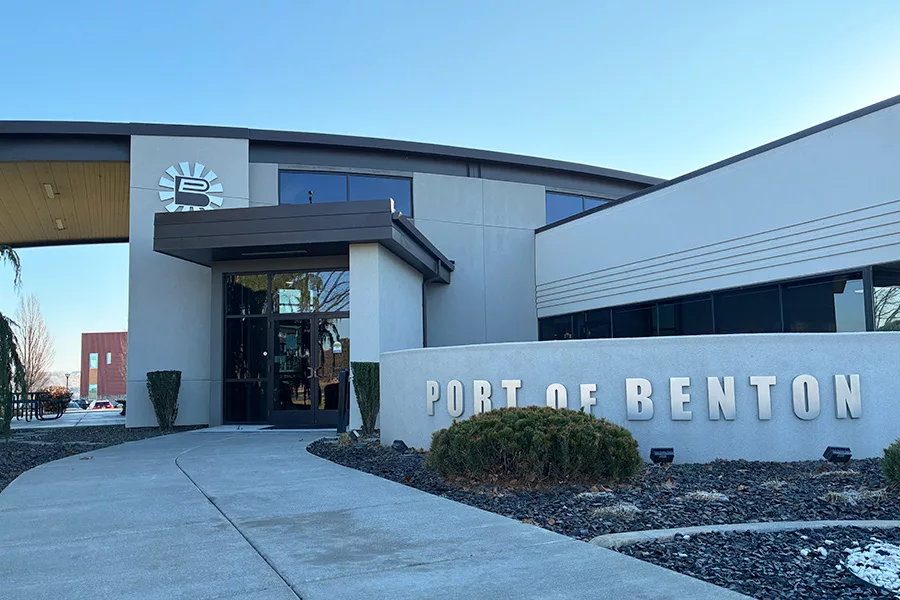
Port of Benton office at 3250 Port of Benton Blvd., Richland.
Photo by Rachel VisickA Benton County judge has temporarily blocked Port of Benton Commission President Bill O’Neil and the port’s law firm from overseeing an investigation into suspended Executive Director Diahann Howard, a case now tangled with the separate effort to recall three port commissioners.
Howard was suspended with pay Jan. 7, “pending the outcome of an internal review,” the port said at the time. The port hired investigator Lisa Greenfield to look into both employee complaints against Howard and her complaint that the suspension was retaliatory.
Commissioners paused that investigation in late April – before Greenfield completed interviews with the commissioners, according to court documents.

Bill O’Neil
The investigation resumed in July after the state Supreme Court cleared the way for recall proceedings, and commissioners voted to have Goodstein Law Group provide “investigation oversight,” with O’Neil as project manager.
Howard sued to change how the port investigates her case, prompting the Aug. 24 order barring O’Neil, Goodstein Law Group and attorney Carolyn Lake from involvement in the investigation.
Judge Norma Rodriguez extended that temporary order by two weeks after a Sept. 4 hearing; she has not yet ruled on the underlying case.
Complaints pile up
Todd Wyatt, Howard’s attorney, filed a complaint with concerns that the investigation couldn’t be neutral since Goodstein attorney Lake represented the commissioners in the recall proceedings, and O’Neil had a role in suspending Howard.
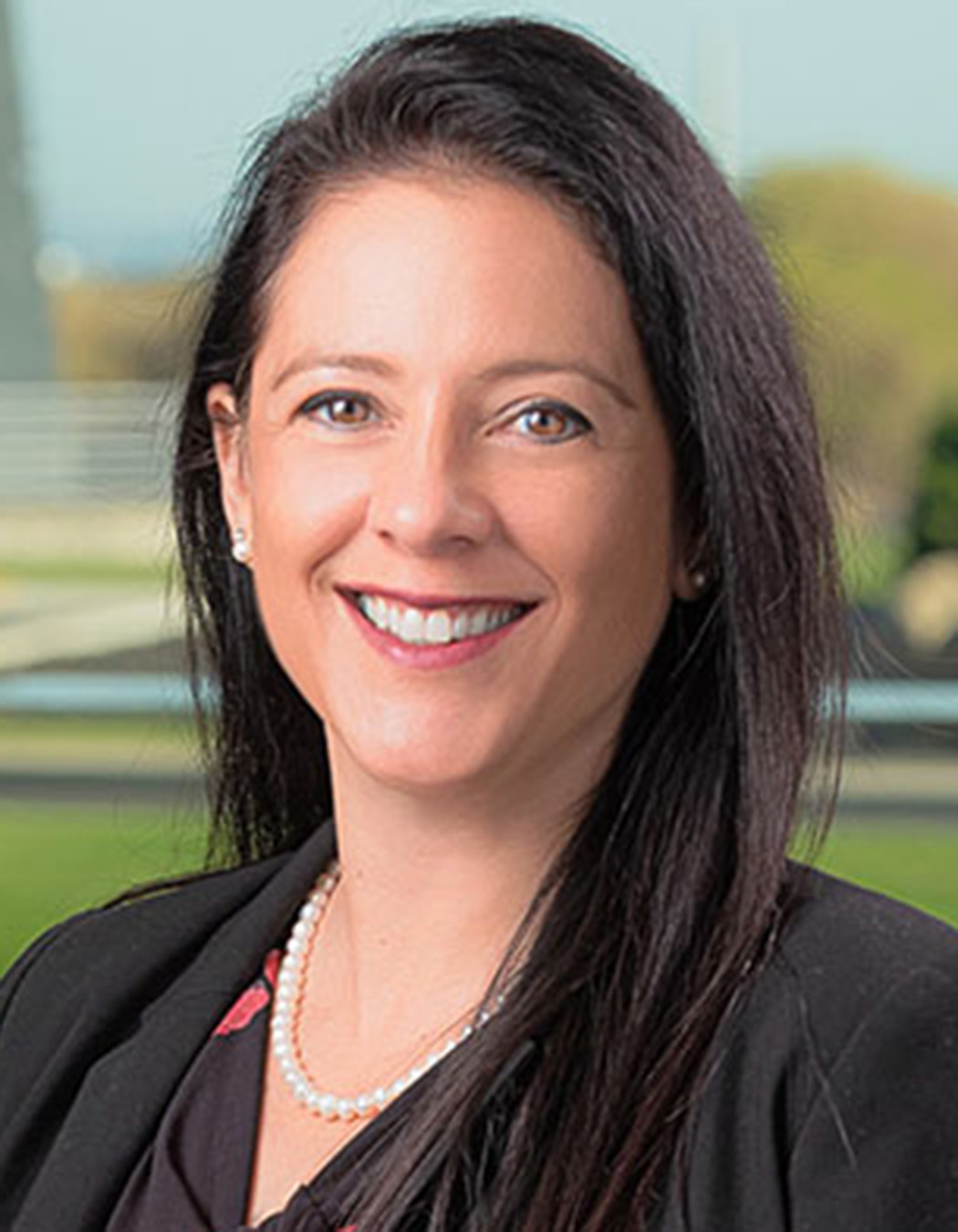
Diahann Howard
An additional concern was that the renewed investigation would address the complaint against Howard before looking into her complaint of retaliation, instead of investigating both concurrently.
Howard raised further concerns in an Aug. 24 court document, saying that the new investigator, Michael Love, questioned her for over 2.5 hours as part of the investigation but focused only 10 minutes on the employee complaint made in January. The rest “was extremely far-ranging and asked about acts, events, and allegations stemming back years, even decades,” according to her statement.
Prior to the court order, the renewed investigation was expected to be completed Aug. 27, a day before the original hearing date for the injunction and also the day before a special port meeting.
The Superior Court found that Howard “has shown a well-grounded fear that the challenged oversight structure and continued sequencing delay will immediately invade her right to the promised and required neutral process” and she “has shown actual, substantial, and irreparable injury” because of the way the investigation and delay may shape a record that can’t later be made neutral.
The order means that O’Neil, Goodstein and Lake can’t oversee, influence or select the investigator for either complaint. O’Neil and the other commissioners may participate as witnesses, provide evidence, and “later exercise lawful Commission authority concerning a completed neutral report.”
The court order “does not prevent investigation of any complaint or predetermine any finding,” the document read.
Commissioner statements
As the legal action continues, all three port commissioners have issued lengthy statements as part of an ongoing effort to oppose their recall through the Stop the Misleading Recall committee, defending their actions.

Scott Keller
Commissioner Scott Keller addressed concerns over the actions he took while a port employee, which were part of the original recall allegations, though they were deemed insufficient. He defended his actions and said they were approved by the commissioners at the time, as well as the port attorney.
He denied allegations of retaliation against Howard and fired Finance Director Alicia Myers and criticized Howard’s travels as executive director, saying she and the former commissioners “enjoyed a life of luxury” while in their roles. Keller said he thinks the desire to maintain that lifestyle is driving the recall efforts.
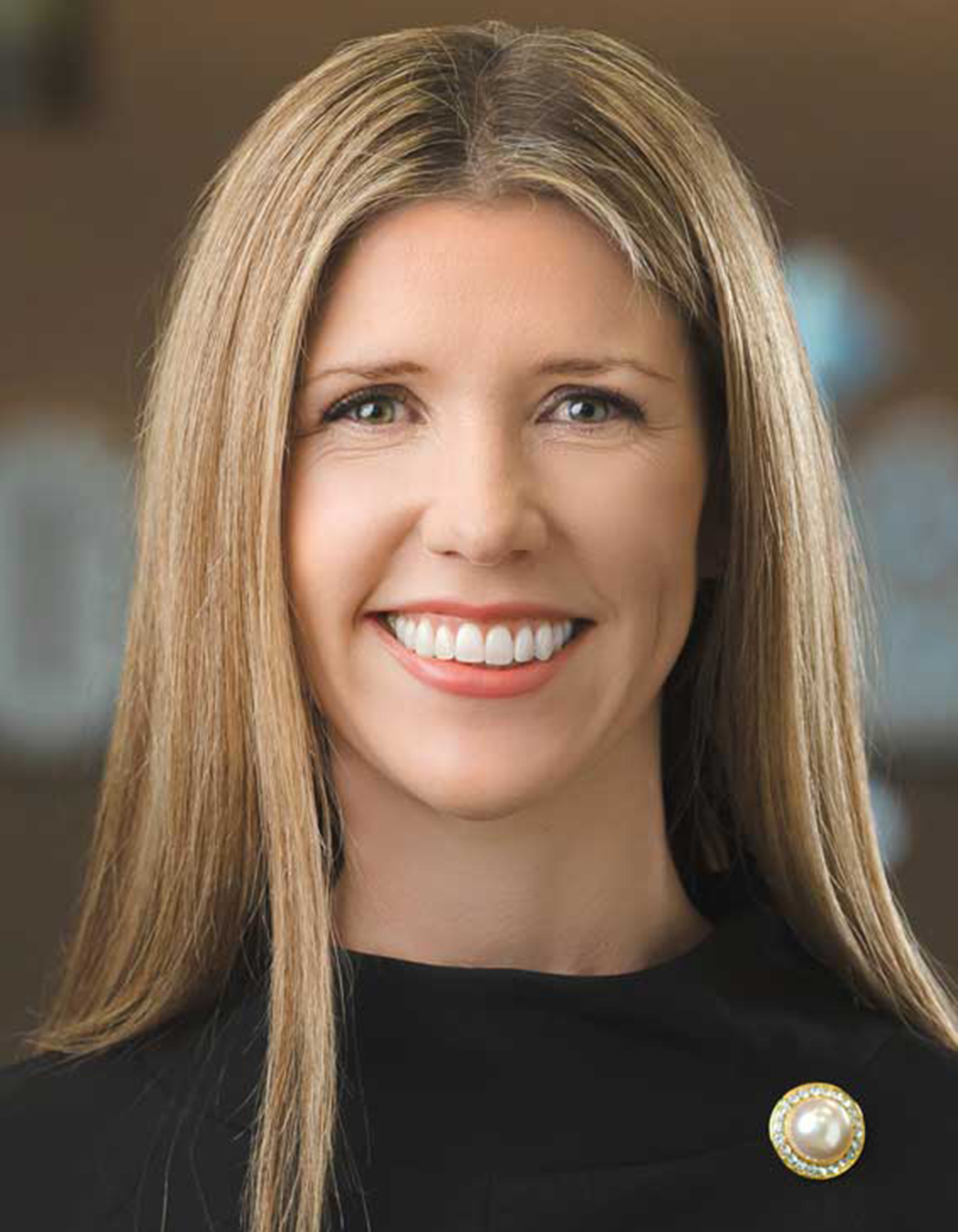
Lori Stevens
In her statement, Commissioner Lori Stevens also denied allegations of retaliation, saying that the employee complaint brought against Howard, along with a 2019 investigation that found Howard took retaliatory actions, prompted her decision to suspend the executive director.
Likewise, Stevens said she made the decision to fire Myers based on the information available to the commission. She reiterated that the recall is not based on past issues.
“People are entitled to disagree with my decisions. But disagreement alone does not establish retaliation,” she said in the statement.
O’Neil was first to issue a statement defending his actions, saying former commissioners fanned the flames of the recall and questioning the motives of Ashley Garza, the former port contractor who is a key player in the recall effort.
In Howard’s statement in court documents, she called O’Neil and Keller’s statements “defamatory.” “As an existing port employee, under suspension, I am hamstrung in how I can respond,” she said. “More importantly, these statements are clearly intended to damage my reputation and further retaliate against me.”
Recall and opposition continue
The recall, which stems from the Howard suspension, Myers’ firing and Garza’s concerns over Richland Airport utility issues, has collected as of mid-August roughly 1,000 of the roughly 4,000-5,000 signatures needed per commissioner.
Initially, organizers were hoping to collect enough signatures by Aug. 27 to make the November ballot, but they have more time than that.
They’re allotted 180 days, starting July 2, to collect the signatures. That puts their final deadline around the end of December.
The Stop the Misleading Recall group has launched a website and collected $1,700 in support from three donors in August, bringing its total raised to $3,800, according to the state Public Disclosure Commission. O’Neil contributed $2,000 to the effort and is the group’s treasurer.
Citizens for a Better Port raised $500 from two donors in August, for a total of $3,425.
The port scheduled a special meeting Sept. 8 with a closed-door session to discuss litigation and legal risks with counsel and evaluate the qualifications of a candidate for appointment or performance of a public employee. Results were not available at press time.