Fall college enrollment defies national trends
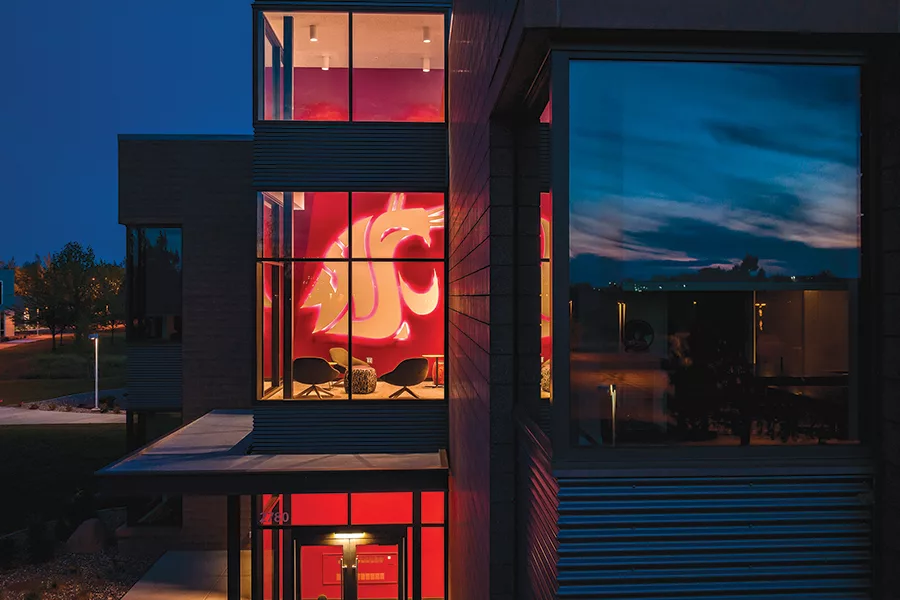
At a time when colleges and universities across the country are facing declining enrollments, higher education institutions serving the Tri-Cities continue to buck that trend.
Washington State University Tri-Cities saw its enrollment climb 5% over the previous year to 1,690 students for the fall 2026 semester. It was one of the bright spots in the WSU system’s enrollment, which fell overall 2.9% to 24,749 students across all its campuses compared to the start of the fall 2025 semester.
Columbia Basin College, which started classes in late September, has yet to finalize its fall enrollment. However, the college recorded 8,806 students on the first day of the term, a jump of more than 500, or 6.1%. Elizabeth Burtner, CBC’s vice president for marketing and external engagement, said the numbers indicate “a strong start to the new year.”
Heritage University, based in Toppenish, did not release enrollment figures specifically for its Tri-Cities campus in downtown Kennewick nor for its programs operating out of CBC. But the small private liberal arts college recorded a total enrollment of more than 1,100, “with strong enrollment growth at both its Toppenish and Tri-Cities locations, reflecting continued demand for the university’s undergraduate and graduate programs.”
Nationwide figures for fall college campus enrollment are mixed at best, based on incomplete results.
Forbes reports many public flagship universities in the South are seeing growth while their peers in the Northeast and Midwest falter. Community College Daily reports community colleges overall are seeing increased enrollment but not all. Smaller private liberal arts schools appear to be faring the worst, according to several reports.
Experts attribute the current enrollment climate to several factors. A demographic shift is affecting higher education as fewer students graduate high school due to lower birth rates in recent decades. Federal policy toward international students has hardened, leading fewer to U.S. enrollments.
Then there’s overall public sentiment about higher education. Gallup found that 31% of U.S. adults think a college education is “very important,” the lowest it’s been since the survey firm began asking the question 50 years ago. The cost of college and resulting student debt, recent graduates struggling to find work and uncertainty about artificial intelligence’s impact on employment opportunities likely contribute to that sentiment, according to Marketplace.
Those challenges could be what contributed to the WSU system’s overall decline. Enrollment in its master’s and research doctorate programs fell from 2,223 students in fall 2025 to 2,088 this fall, and WSU said in a statement that changes in research funding, federal student loan limits and visa challenges for international students were contributing factors.
Why the state university system’s Richland campus along with CBC and Heritage have fared better is unclear. However, they all have largely focused their recruitment efforts on the region, specifically on prospective students who would be the first in their family to attend college.
WSU Tri-Cities and CBC have also leaned into firmly tying their programs to available and prospective career opportunities, such as the burgeoning nuclear power industry.
“We are focused on where Washington needs the university most: preparing graduates for critical careers and lifelong learning, helping more students earn the degrees they started, and opening new paths into higher education for people at different stages of their lives,” said WSU President Betsy Cantwell in a statement.