Let’s build on the progress of a historic year at Hanford
It was a momentous year at Hanford in 2025. From landmark agreements to turning waste into glass, and moving highly radioactive capsules to safer dry storage, it was one of the most important years for the site since cleanup began in 1989.
It was also a year of transition. Many longtime employees at our agency, the U.S. Department of Energy (DOE), and the U.S. Environmental Protection Agency (EPA) departed, underscoring the importance of passing on institutional knowledge and maintaining strong, open, collaborative relationships among the agencies.
We’re now focused on building that momentum in 2026 and beyond to ensure cleanup protects human health and the environment for current and future generations.
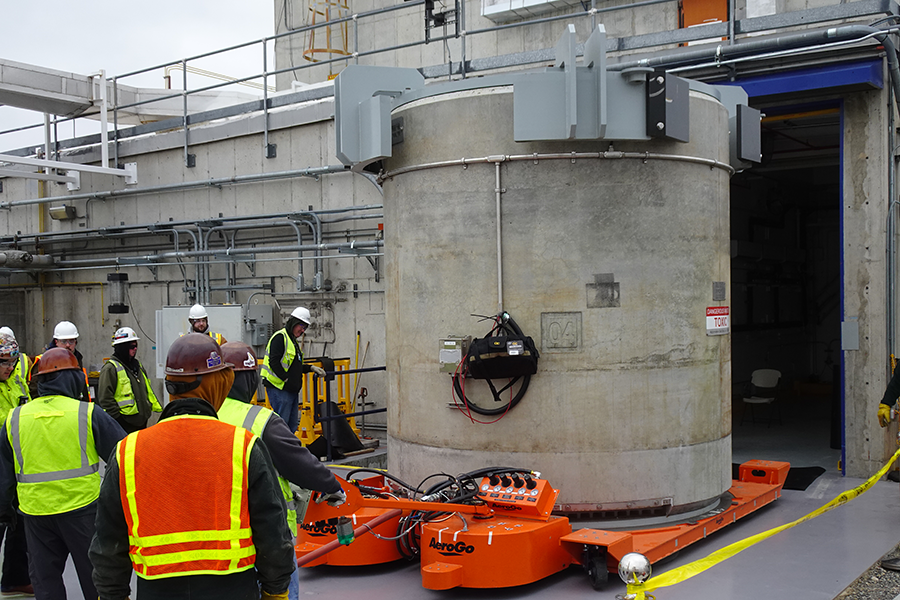
Workers pull a large concrete cask filled with cesium capsules out of the Waste Encapsulation and Storage Facility.
| Courtesy Washington State Department of EcologyLandmark agreement
We began 2025 by finalizing a landmark agreement guiding cleanup of 56 million gallons of radioactive and hazardous waste stored in 177 underground tanks. The Holistic Agreement outlines a realistic path forward for the tank waste mission through 2040 and beyond.
Just as important as the agreement itself was how we reached it. Negotiating and finalizing the agreement improved collaboration and relationships among our three agencies, a foundation essential for the work ahead.
This success carried into the agencies completing negotiations, seeking public comment and engaging in tribal consultation on new cleanup milestones for soil, groundwater and legacy facilities across the site. These new milestones will utilize an innovative adaptive approach, allowing us to regularly evaluate and prioritize work for a more efficient cleanup.
Making history by making glass
The year included numerous firsts for tank waste cleanup: finishing environmental testing at the Waste Treatment Plant, issuing the final approvals for the plant to operate, transferring waste into the facility, vitrifying waste into glass for the first time and beginning to move vitrified waste to approved on-site disposal.
Beginning operations at the Waste Treatment Plant was historic. For more than 25 years, we worked closely with DOE and their contractors on all phases of getting this plant operational. Many staff across our agencies dedicated their entire careers to making this happen.
Every gallon of waste removed from aging tanks and transformed into glass reduces the risk to surrounding communities and the environment.
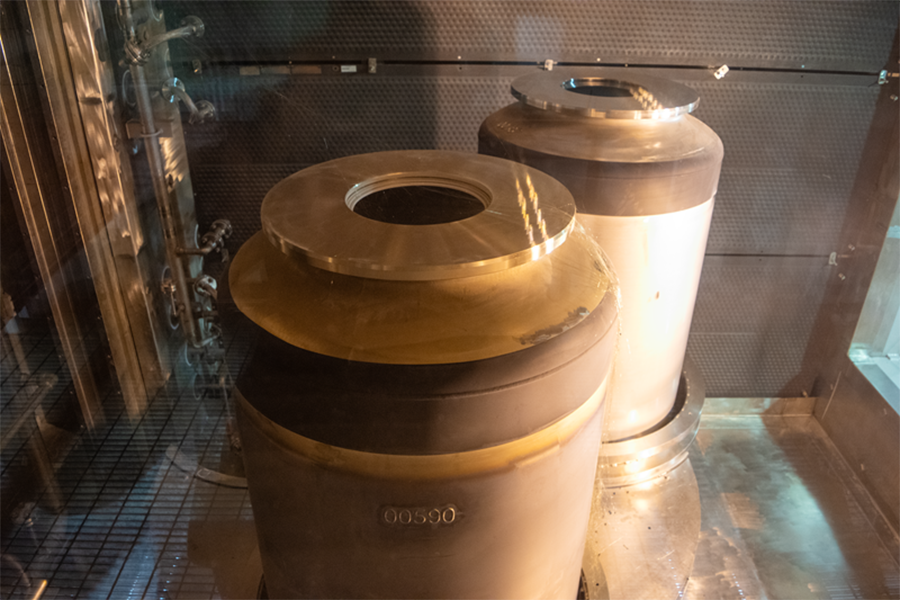
The first two steel containers filled with tank waste transformed into a glass form.
| Courtesy BechtelCapsule transfers, sitewide progress
The historic firsts extended beyond tank waste. Energy and its contractor also began moving highly radioactive capsules from underwater pools to safer dry storage. The first loaded cask was transferred to permitted outdoor storage in January. Ecology serves as the lead regulator, permitting and overseeing the capsule transfer and storage.
At the same time, cleanup continued across the site. In 2025, a few projects we supported include:
- Assisting DOE and EPA with upgrades to the pump and treat system, which has treated more than 35 billion gallons of groundwater.
- Completing compliance inspections at multiple facilities.
- Reviewing more than 30 cleanup documents.
- Overseeing DOE moving all waste containers from an outdoor storage area.
- Completing cleanup of an interim storage area in Hanford’s 400 Area.
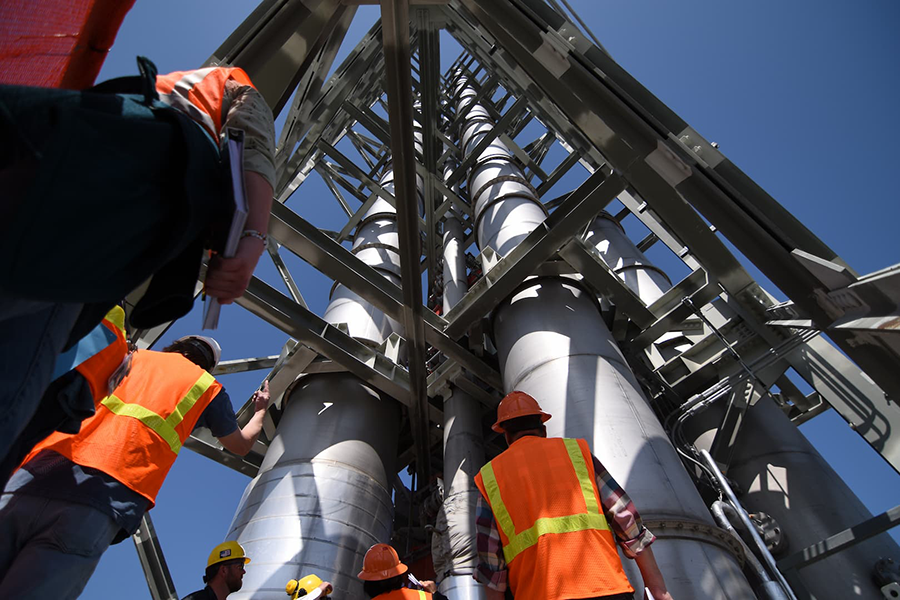
Ecology staff inspecting the stack of the Low-Activity Waste Facility during environmental testing in September 2025.
| Courtesy Washington State Department of Ecology
Ecology staff inspecting the stack of the Low-Activity Waste Facility during environmental testing in September 2025.
| Courtesy Washington State Department of EcologyAnother pivotal year ahead
Last year, I wrote that Hanford was at an inflection point, a statement that is still true. Now is the time to build on the progress we’ve achieved.
For tank waste cleanup, that means ensuring the Waste Treatment Plant continues to operate and turn waste into glass. It also means advancing construction of the High-Level Waste facility and moving forward with plans to grout low-activity waste from 22 tanks in the 200 West Area for off-site disposal.
Work also must continue to move capsules to dry storage; prepare for the resumption of transuranic mixed waste shipments to the Waste Isolation Pilot Plant in New Mexico; remediate contaminated soil and groundwater; and address other contaminated facilities and waste sites across Hanford.
This can’t happen without sufficient federal funding. We’re continuing to advocate with Congress for a compliant Hanford cleanup budget. We were encouraged to see a record $3.35 billion for 2026 – a reflection of the alignment and progress we’ve made. However, to accomplish cleanup this century, funding must continue to grow in step with the work ahead.
Public engagement will be critical. In June, we will seek public comment on the draft renewal of the Hanford Sitewide Permit, which covers 52 waste sites and facilities and is one of our agency’s most important regulatory tools.
Last year, in addition to formal public involvement opportunities, we were at 45 outreach events that reached more than 5,000 people. This year, we want to continue that important work and hear from communities on their cleanup priorities.
As we look ahead, we remain committed to early and transparent collaboration with our federal partners, building on agreements we have in place, engaging meaningfully with tribes and communities, and ensuring the federal government fulfills its legal and moral obligations to the people of Washington state.
Stephanie Schleif is the program manager for the Washington State Department of Ecology’s Nuclear Waste Program.
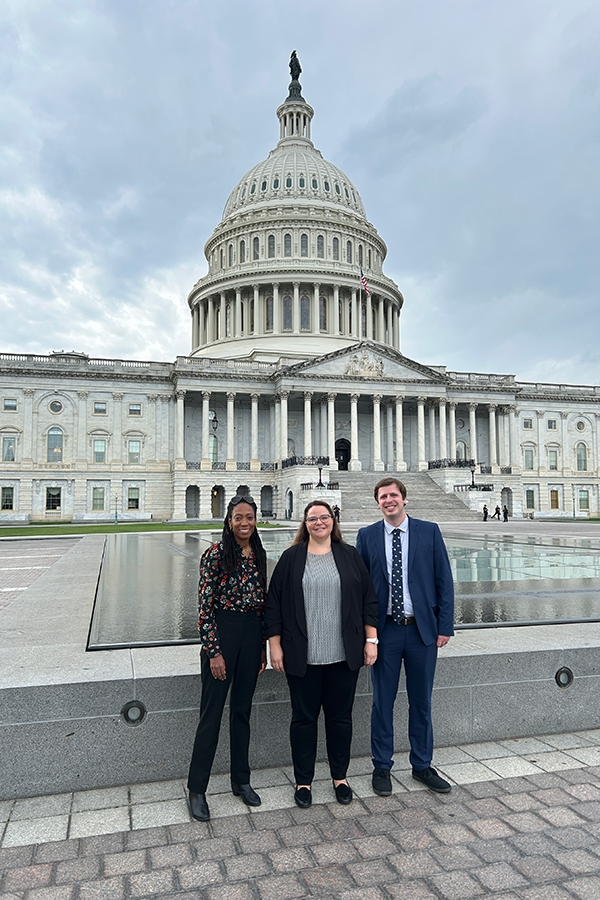
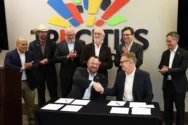
Representatives from Washington State Department of Ecology and the Washington Governor’s Office advocated for Hanford cleanup at the nation’s capital in September 2025.
| Courtesy Washington State Department of Ecology

Stay Informed. It’s Free.
Subscribe to our newsletters and get the latest news and insights delivered to your inbox.
We respect your privacy.
Unsubscribe anytime.
Thank you!
You’re subscribed. Keep an eye on your inbox for the latest updates.