Hanford 2026
Innovation transforms Hanford cleanup, accelerates progress
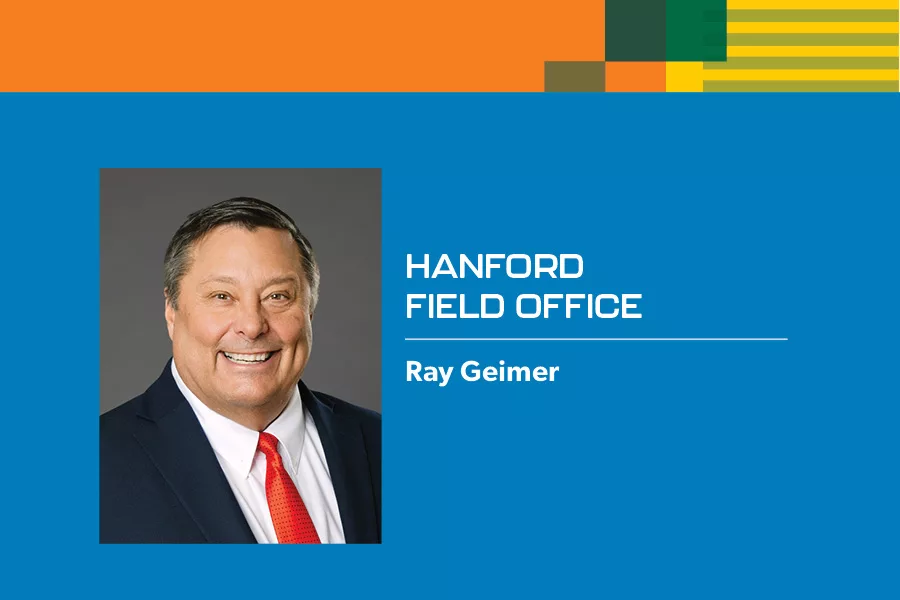
The Hanford site stands as a testament to determination. It’s a place where innovation, accountability and a safety-first mentality are protecting people and the environment. A place where legacy waste challenges are transformed into opportunities to deliver more for the American people. A place where, today, we look back with pride at recent accomplishments and ahead with optimism toward a protected and prosperous future.
Transforming tank waste
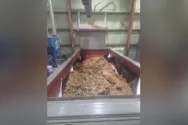
One of the most significant undertakings at Hanford is addressing the 56 million gallons of legacy tank waste resulting from decades of national defense operations. Late last year, Hanford achieved a historic milestone – turning radioactive tank waste into stable glass for safe, long-term storage. This success marked a transformative turning point for our mission. Every gallon of tank waste treated represents more than a number. It represents risks reduced, hazards stabilized and confidence strengthened in our ability to deliver results for the American people.
We have the opportunity to get a large part of the Hanford tank waste mission done within our lifetimes by taking an expedited dual glass-plus-grout approach to low-activity tank waste and right-sizing capabilities to address the high-level portion. Together these tools expand our capacity to safely treat waste, reduce risks faster and advance progress across the tank waste mission.
This is part of an overarching effort to put innovation and efficiency to work – expediting remediation and revitalization of Hanford and implementing an outcome-driven approach with an eye toward what the site could look like by 2040.
Reducing risks
Our commitment to risk reduction extends well beyond the tank waste mission and is, in fact, the foundation of everything we do. Across the site, our work is shrinking the environmental footprint and addressing hazards with urgency and discipline.
A recent example is the transfer of radioactive capsules from the Waste Encapsulation and Storage Facility to dry storage. This effort, which got underway at the end of last year, increases safety, allows for the potential future beneficial reuse of materials and will ultimately result in savings of millions of dollars per year in storage costs.
Progress like this demonstrates the methodical approach guiding cleanup at Hanford – tackle the highest risks first, strengthen safety and build momentum with each accomplishment.
Safety, credibility and accountability
Whether it’s these capsule transfers, teardown of the last reactor stack or other projects across Hanford, safety is our top priority and shapes every aspect of our work. Maintaining rigorous safety standards, regulatory compliance and transparency builds trust among our workforce, partners and community members.
Accountability remains central to the mission – delivering measurable results while maximizing the value of every public dollar invested in cleanup. This requires, among other things, robust infrastructure and seamless integration across our operations to maximize efficiency and foster a culture of problem-solving. We view infrastructure as the backbone of our cleanup mission; it enables us to deploy new technologies, adapt to evolving needs, and remain nimble for future challenges.
Continual improvement is not just a slogan – it is a daily reality, reflected in how we plan, execute and adapt our work.
Building a vision for the future
As we adapt our work, we know that environmental remediation and long-term prosperity go hand in hand. As we reduce risk and restore land, we lay the groundwork for future opportunities here in the Tri-Cities.
The Hanford mission is complex, but the goal is straightforward: deliver meaningful progress, protect people and the environment and leave a legacy of safety, sustainability and vitality for future generations.
Our commitment extends beyond the site fence line. It is about empowering people, supporting local families and businesses and building a resilient regional economy.
Our work focuses on reducing legacy environmental risk while stabilizing and modernizing infrastructure that was originally built during the Manhattan Project era.
As we move waste treatment forward and reduce environmental risks across Hanford, we’re creating conditions that open the conversation about future use and enable the potential for assets and expertise to support American energy, security and scientific priorities.
Together with our dedicated workforce, industry partners and community leaders we are turning challenges into opportunity and laying a strong foundation for the future.
Ray Geimer is the manager of U.S. Department of Energy's Hanford Field Office.

Stay Informed. It’s Free.
Subscribe to our newsletters and get the latest news and insights delivered to your inbox.
We respect your privacy.
Unsubscribe anytime.
Thank you!
You’re subscribed. Keep an eye on your inbox for the latest updates.