Hanford manager says progress continues despite federal challenges
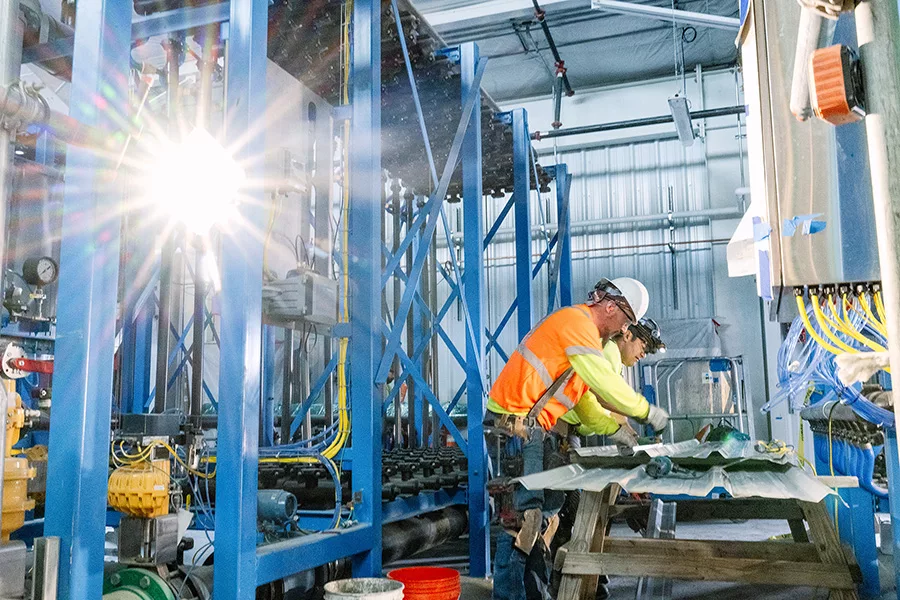
Inside the Central Plateau Water Treatment Facility, workers prepare for its 2025 startup.
Courtesy U.S. Department of EnergyEven as potential budget cuts and other shifts at the federal level introduce complications in the Hanford site’s cleanup mission, progress on initiatives is continuing, according to one Hanford site official.
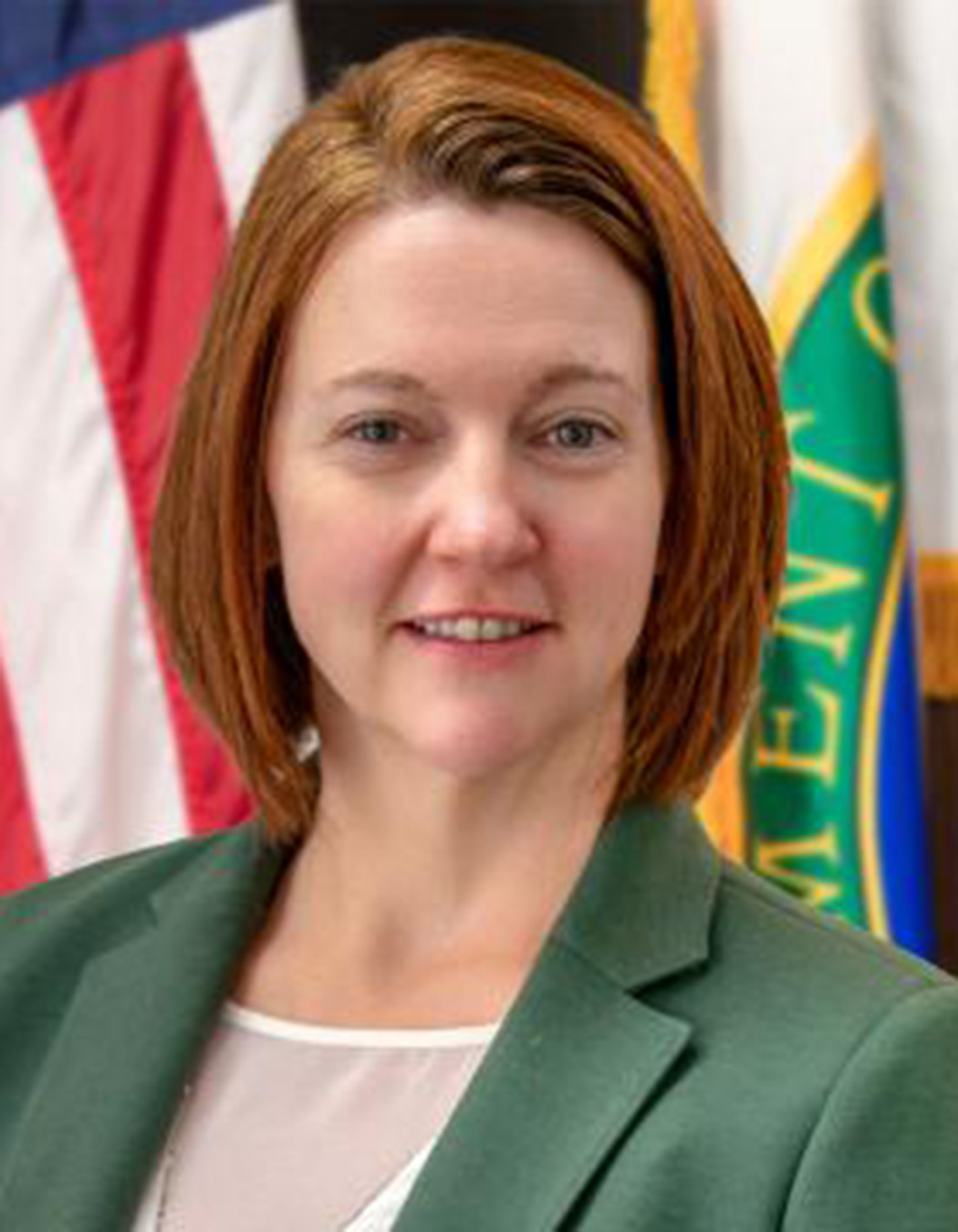
Heather Dale
Heather Dale, assistant manager for river and plateau with the U.S. Department of Energy’s Hanford Field Office, told the Tri-Cities Hispanic Chamber of Commerce on Aug. 19 that cold commissioning of the vitrification plant is proceeding, with hot commissioning – when actual tank waste is fed into the plant to test its systems – starting in the coming months.Workers have already prepped more than 800,000 gallons of radioactive waste from the site’s storage tanks in anticipation of the start of the next chapter of cleanup at the site.
“We are moving into the operational phase of our mission and that is very exciting for us,” Dale said.
However, those comments came weeks before reports from E&E News by Politico and other media outlets said DOE is considering a “different direction” for cleanup at the Hanford site, including halting work on the vit plant.
Sen. Patty Murray, D-Washington, said in a statement on Sept. 8 that she hoped the reports were incorrect. “This is a catastrophic threat to the Hanford cleanup mission and the Tri-Cities community and would light billions of taxpayer dollars on fire. This administration has shown itself to be dangerously clueless about Hanford and clearly won’t think twice about tearing up the painstaking progress we’ve made over decades to clean up toxic nuclear waste,” she said.
Energy Secretary Chris Wright, in a statement, denied reports that his agency is seeking to make changes to the long-standing commitment to the environmental cleanup at the site. ”DOE is continuing to examine testing and operations of the (Direct-Feed Low-Activity Waste) site to ensure waste disposal options are safe, cost-effective and environmentally sound,” he said.
That dissonance between what Dale conveyed and discussion at higher levels of DOE illustrate how local officials have had to adapt to sudden shifts from Washington, D.C.
The mass federal layoffs that rolled across the country earlier in the year did not affect most of the site’s workforce of contractors and subcontractors, but it did affect DOE staff. Dale said the field office lost about 30 personnel during that time, though did not specify how many were laid off, took a buyout or simply left the agency. And they are looking to hire to fill roles.
“It’s a little difficult in the federal space to hire employees right now,” she told the chamber.
The Hanford Field Office’s prior manager and assistant manager left the agency this past spring, leading DOE to name Brian Harkins as interim manager. The federal agency named Ray Geimer, most recently the lead administrator for the 222-S Laboratory, as the permanent manager at the end of August.
But the contractors and subcontractors aren’t shielded from impacts. One subcontractor was at risk of laying off its workers this spring as DOE withheld funding for it to continue to its next phase of work. Pressure from U.S. Sen. Patty Murray, D-Washington, eventually led to those funds being released.
And deeper budget cuts are possible. The White House’s proposed budget has site operations funded at tens of millions of dollars less than current levels. That’s despite a routine report released earlier this year indicating that the cost of cleanup is climbing as the effort stretches on.
Dale acknowledged that the field office has had to reconsider projects to support President Donald Trump’s budget objectives. And those reconsiderations also come at a cost.
The Hanford site has one reactor, located in the 100 K Area, that has yet to be remediated and possibly cocooned like most others on the site, except for the historic B Reactor. Dale said the agency doesn’t have sufficient funds to complete that work but that means DOE is spending $20 million per year to mitigate the risks the facility presents until then.
Despite challenges, Dale told the chamber that workers on the site continue to make progress. For example, workers recently discovered higher than anticipated contamination at the 324 Building, leading work to be paused there. Such a discovery had the potential to lead to workers to be laid off due to the change in the scope of work but Dale said DOE is instead working with the U.S. Environmental Protection Agency to develop a remediation plan so the work can eventually continue.
“What we want to do is show sustainable progress,” she said.


Stay Informed. It’s Free.
Subscribe to our newsletters and get the latest news and insights delivered to your inbox.
We respect your privacy.
Unsubscribe anytime.
Thank you!
You’re subscribed. Keep an eye on your inbox for the latest updates.