
New president says Heritage University’s future lies in the Tri-Cities
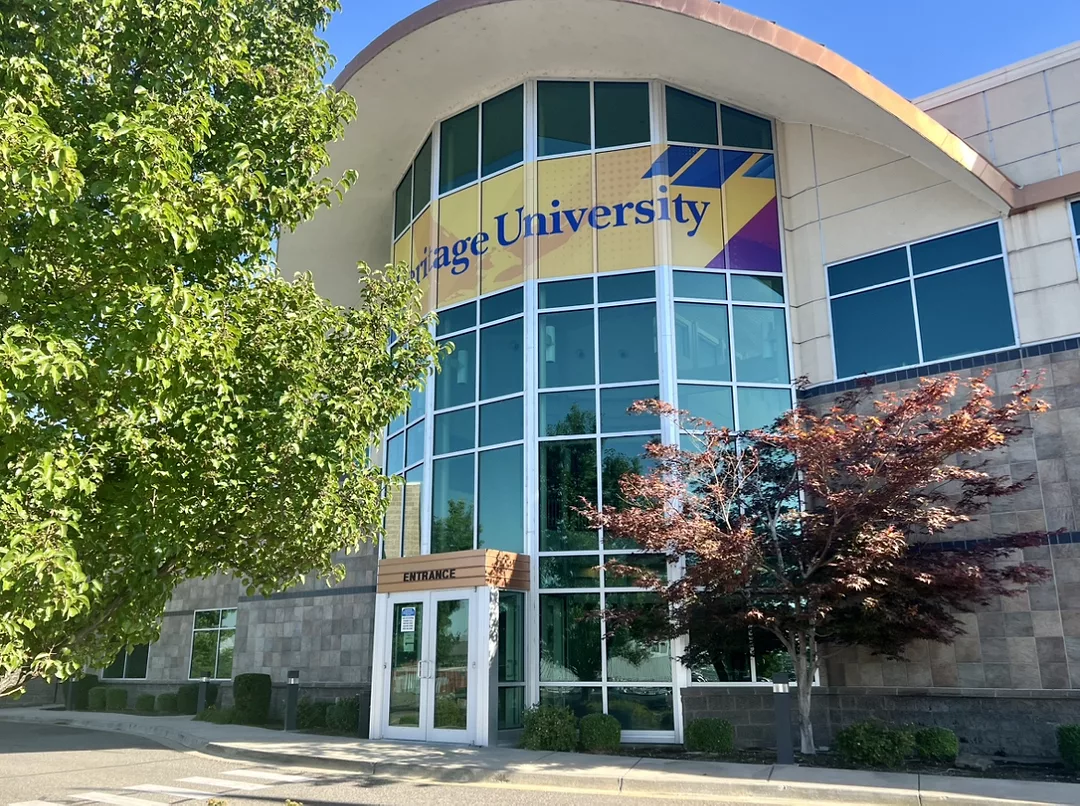
Heritage University appears to be preparing to become a bigger player in providing higher education in the Tri-Cities.
The Toppenish-based private liberal arts institution announced an expanded investment plan for the region and a slew of leadership promotions in the final weeks of 2025, a reorganization aimed to position the university for its next 50 years, President Chris Gilmer said in a statement.
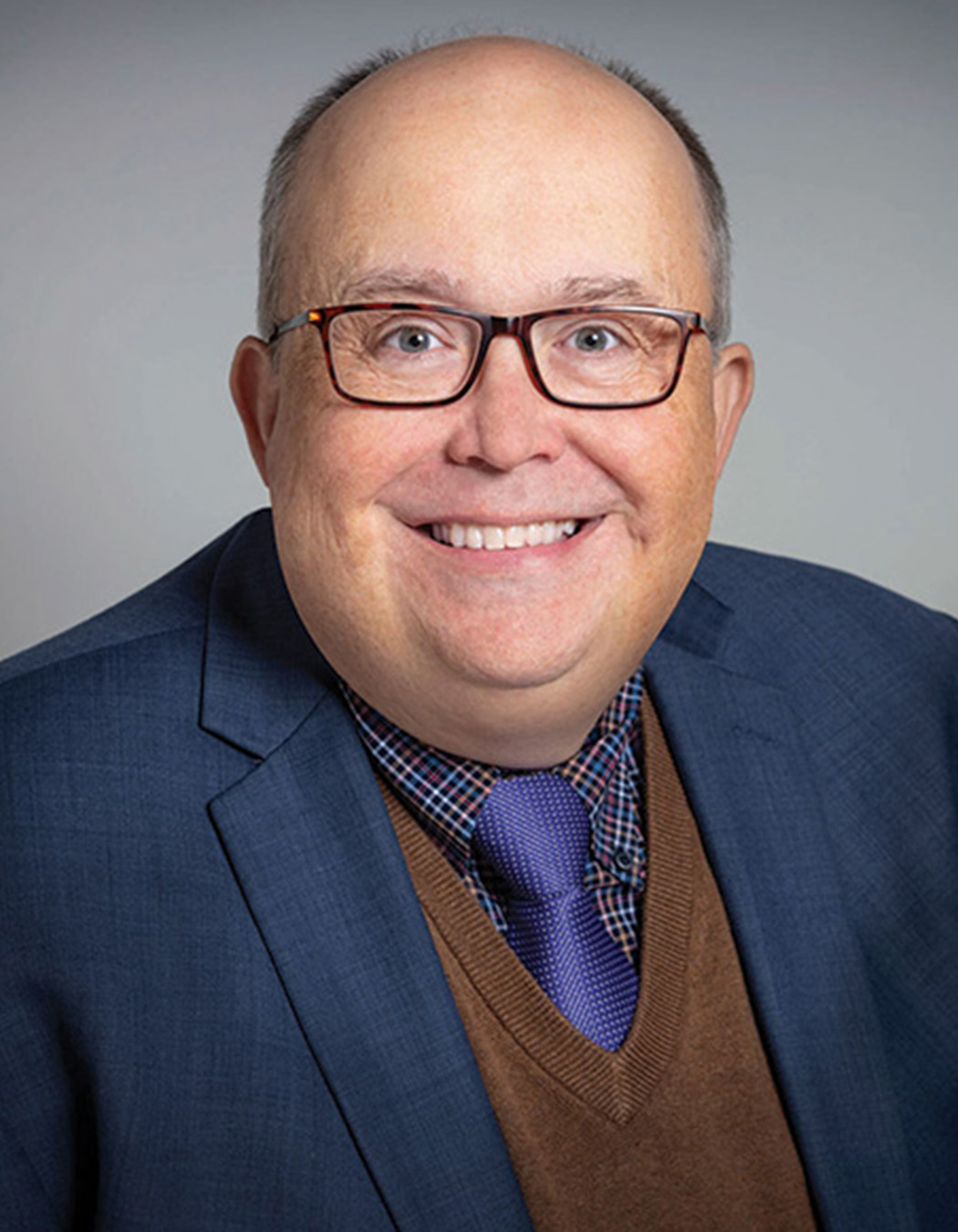
Chris Gilmer
“The future of the Heritage University system lies in the Tri-Cities,” Gilmer told the Tri-Cities Area Journal of Business. “There are thousands of students in the Tri-Cities who are a good Heritage profile.”
It’s a move that has Kennewick city officials excited for how Heritage’s future could benefit the downtown area.
“We’re really trying to do some redevelopment and vision for downtown, so this fits with that effort,” Kennewick City Manager Erin Erdman told the Journal, adding, “Our ultimate goal at this point is to get more traffic downtown.”
Heritage in the Tri-Cities
Heritage enrolls about 1,000 students, with more than 800 being undergraduates, according to data in the Journal’s 2025 Book of Lists.
By comparison, Columbia Basin College in Pasco has the full-time equivalent of more than 5,800 students and Washington State University Tri-Cities more than 1,400 undergraduate and graduate students.
About 125 students are served out of Heritage’s downtown Kennewick campus, which offers four-year degrees in six fields – accounting, business administration, criminal justice, elementary education, psychology and social work – that can be completed without visiting the Toppenish campus. In addition, the university has become a destination for many educators to pursue master’s degrees to further their careers.
The reorganization of the university’s administration and emphasis on its Tri-Cities campus are Gilmer’s first major initiatives at Heritage since arriving during the summer of 2025.
He told the Journal he spent a lot of time in the Tri-Cities in the past six months because he sees the metropolitan area as an opportunity and wanted to learn as much as he could.
“I decided to take a whole year, and make it a special project of the president,” he said.
‘A house in its prime’
Just as there are leadership shifts at the Toppenish campus, so there are in the Tri-Cities.
Martín Valadez Torres, who is a vice president of strategic initiatives and chief operations officer at the Tri-Cities campus, has submitted his resignation and will leave Heritage at the end of January, Gilmer said.
Yesenia Nely Aquino Bautista, who was the campus’ assistant director, has been appointed as interim director.
Valadez Torres was one of 25 people named to the Journal’s inaugural class of People of Influence for 2025. Aquino Bautista was one of 11 members of the Journal’s Young Professionals class of 2025.
Gilmer said the changes and his increased attention on the Tri-Cities campus were not out of any concern with its operations and performance.
“I’m very satisfied with how things are going,” he told the Journal. “If Heritage were a house, we would not call it a fixer-upper. We’d say it’s in its prime and ready for its next family. This is just a nurturing of what is already here, a reinvestment in some of the people who I see as particularly strong and talented.”
Gilmer also stressed that Heritage is continuing its partnership with CBC, which streamlines the process for CBC graduates to put their associate degrees toward bachelor’s degrees.
Higher ed on the rise
Gilmer said he has not set specific enrollment goals or metrics for the Tri-Cities, indicating that the current focus is mission-driven and based on student needs. He is putting together a multidisciplinary task force, with leads from student affairs, admissions, academic affairs and faculty to inform that work.
Interest in higher education has grown in the Tri-Cities in recent years.
CBC has seen consistent enrollment growth since the 2021-22 academic year.
For the 2024-25 academic year, the three primary quarters of fall, winter and spring all had more than 8,100 individual students, a benchmark the college had never crossed.
WSU Tri-Cities campus in north Richland saw an 8.1% increase in student enrollment in fall 2025 over the previous year, welcoming 1,489 individual students, and marking a third consecutive year of growth. First-year enrollment grew by 11.1%, marking the third consecutive year of double-digit growth in this category. First-time graduate student enrollment more than doubled compared to last fall.
Downtown presence
Erdman said that Heritage having a bigger presence in downtown area would help restore foot traffic that has dissipated over the years as employers pulled out of the area.
“There was a time when the Herald left downtown and (Trios Health) left downtown and we lost that foot traffic,” she said.
City officials have not had formal conversations with Heritage about its intentions, though Erdman said the city’s economic development office is reaching out to the university to learn more.
The city is also searching for funding to develop a strategic vision and planning for the downtown that could tie Heritage’s plan into a broader effort.