Meet the trailblazer behind the Tri-Cities’ first bus system
The late Blanche Pratt was the first transit bus driver in the Tri-Cities.
Not in 1982 when Ben Franklin Transit started serving riders in the Tri-Cities.
She slipped behind the wheel of the Tri-Cities’ first passenger bus 40 years earlier in May 1942 during World War II.
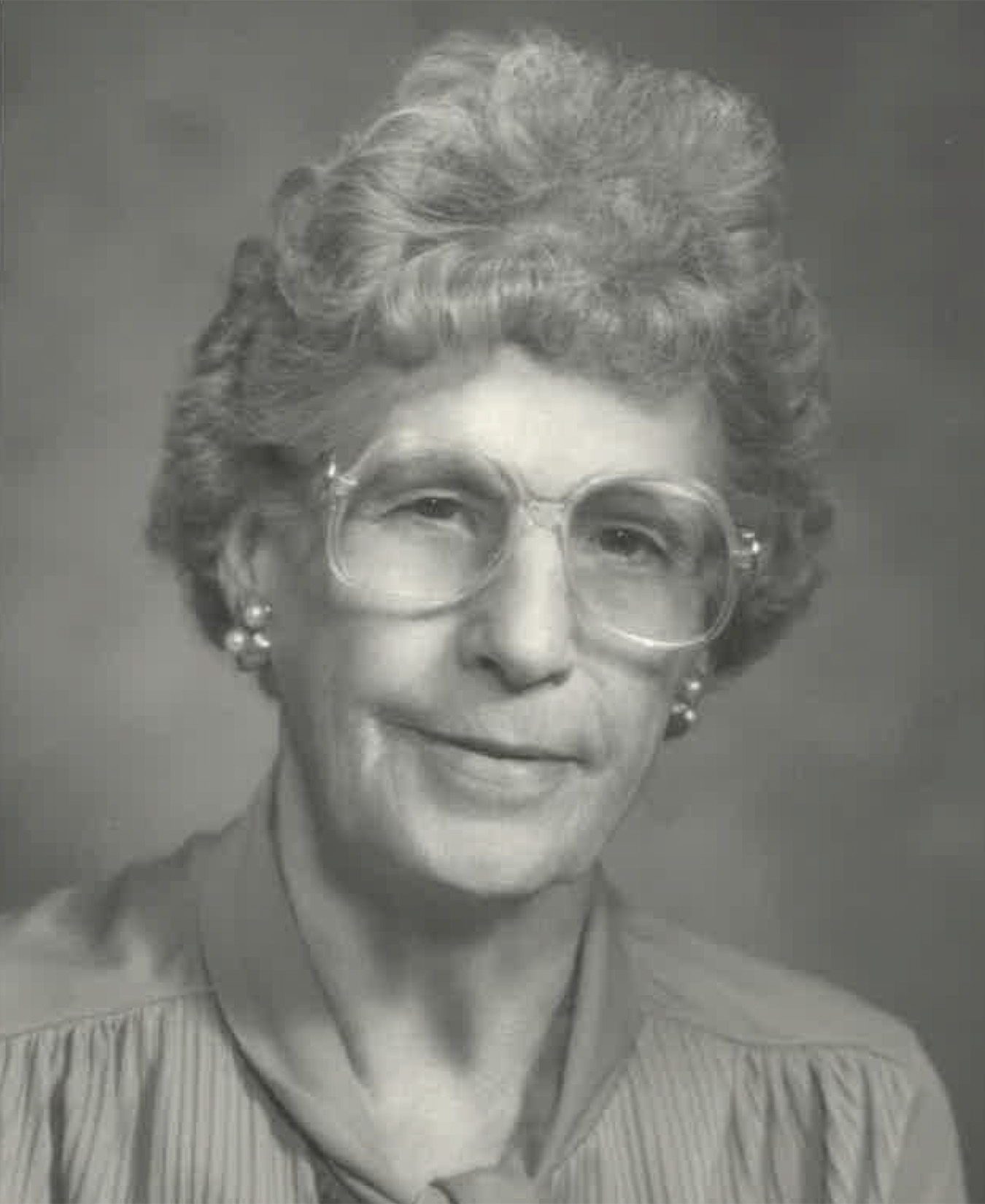
Blanche Pratt
Blanche and her husband, J.C., operators of a downtown Kennewick garage on the northwest corner of Kennewick Avenue and Auburn Street, pioneered with their Intercity Bus Lines.
“We had been wanting to start a bus system between Pasco and Kennewick because so many people had no way to get around,” Blanche said in a 1978 interview just before voters chose to levy a sales tax supporting today’s public transit.
“It was wartime and the government-run buses would only take people working at Hanford, so the wives were stuck at home because very few people had cars and they couldn’t get gasoline allowances,” she said.
Wartime gas rationing existed, new automobile plants were used for war-related efforts, and existing cars could not be purchased except by those in priority work like a doctor or police officer.
For $25, the Pratts learned, they could acquire a franchise by meeting certain criteria.
Having a bus to carry people was one. With wartime restrictions creating shortages and priorities, it took them months.
While attending a meeting at Benton City’s old Walnut Grove school for the Benton County Tuberculosis League, they learned of one to purchase.
“It was in the school’s shed where doves and chickens had been roosting on it,” Blanche said.
The engine was disassembled and lying near the rear of the bus.
“It turned out to be a real good engine,” Blanche said. Its leather seats were in good condition for riders.
“I asked if they wanted to sell it, but they didn’t take me too seriously,” she said. Her husband, mayor of Kennewick from 1945-49, convinced the school to sell it for $250.
The Pratts established prices, routes and schedules which they sent to Olympia to receive final approval to operate a bus system. J.C. got the bus in running condition.
Blanche agreed to drive the bus while continuing her bookkeeping role for the garage.
“I knocked quite a few mirrors off of the Pasco-Kennewick bridge before I figured out how wide it was,” Blanche said. The narrow two-lane bridge, predecessor to today’s cable bridge, left little room for error.
Every 30 minutes she made runs to Pasco and drove to Richland and the then existing hamlets of White Bluffs and Hanford before the top-secret Hanford project forced their citizens to evacuate.
“Before we had been in business long, the advanced Hanford Transportation Department team came to warn us of the planned construction for the area (Hanford Engineer Works) and advised us we would need more buses,” Blanche said.
Over the next eight months, frantic searches around the country produced eight used school buses to build their fleet.
“By this time, Hanford construction had started along with (a) naval air base (Pasco Naval Air Station), and Army Reconsignment Depot (Big Pasco),” she said. “The federal government knew of our plight and assisted us in getting some old buses.”
Blanche became something of a backyard mechanic to handle emergency repairs, carrying on her runs a set of tools. A loud bang on a run to Hanford alerted her that a spark plug had blown out.
“There goes that spark plug again,” she remembered saying to herself. She stopped, recovered it, replaced it and was on her way again.
Another time a fan belt failed. She borrowed a pair of boot laces from a passenger, tied the fan belt together and limped the bus back to the Pratt garage.
“In those days, everyone was coming out of Hanford to Pasco or Kennewick for church, shopping, doctors or the liquor store,” Blanche said. “Sometimes there was such a crowd to go back to Richland at night we would run all eight buses.”
Blanche always drove the lead bus on Hanford runs late at night.
In the intense, security-ladened work at Hanford, there were times when husbands and wives were together only on bus runs provided by the Pratt buses.
“The women would come out on one bus, visit their husbands for a few hours, and then come back to Kennewick or Pasco on another,” Blanche said.
After almost two years of a nearly nonstop hectic schedule, the Pratts sold their operation in March 1944 to a Yakima company owned by two partners that had its own fleet of new buses.
A Pasco man became a partner in 1951 and the intercity line continued until 1957 when more family cars and a declining workforce at Hanford led to its demise. A short-lived Tri-City Bus Line was formed in 1966, but it ceased after three months.
“It just about drove us up the wall,” Blanche said of running their Inter-City lines. “But, it was really fun.”
Blanche was active in the Benton Franklin Fair and the Federated Women’s Club and was involved in establishing the East Benton County Historical Society, serving as its second president in 1978-79 during its infancy, leading to building the current Museum at Keewaydin which opened in 1982. She was the city of Kennewick’s Woman of Achievement, now known as the Woman of the Year award. She died in 2003 at age 99.
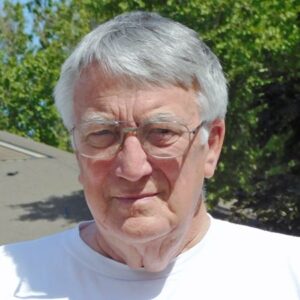
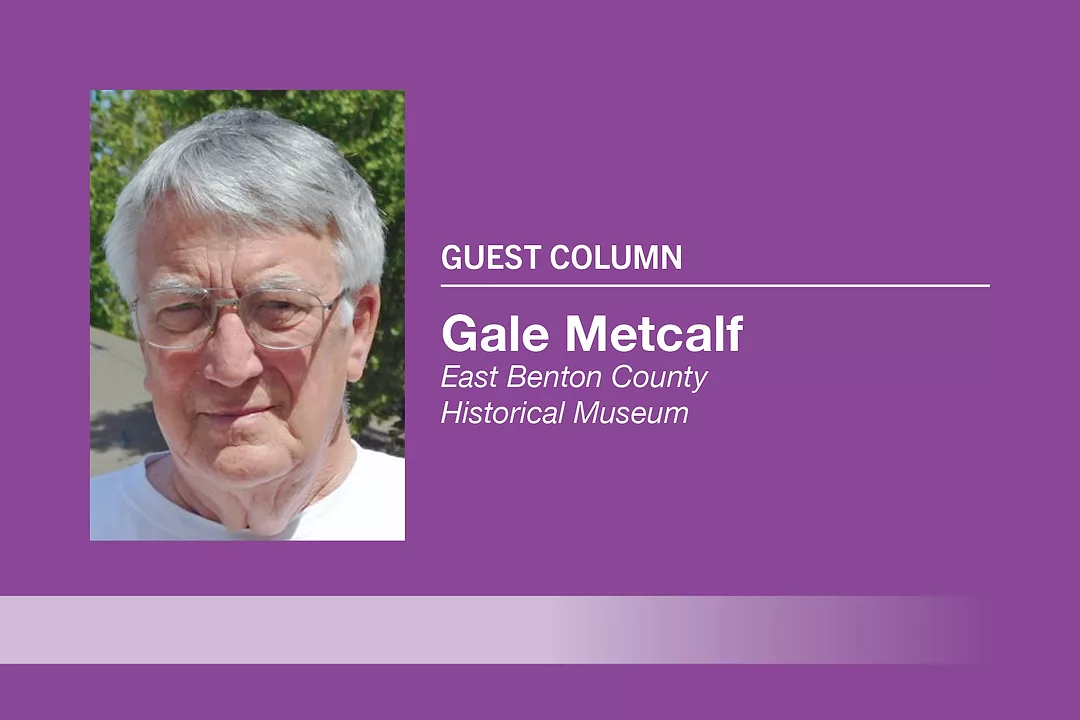
Gale Metcalf of Kennewick is a lifelong Tri-Citian, retired Tri-City Herald employee and volunteer for the East Benton County Historical Museum. He writes the monthly history column.