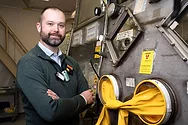
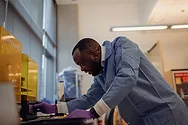
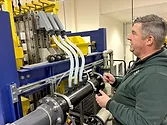
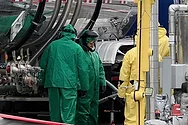
A private East Coast enterprise is teaming up with Pacific Northwest National Laboratory to recycle spent nuclear fuel – and the results could power endeavors like space exploration while making spent nuclear fuel less dangerous.
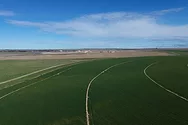
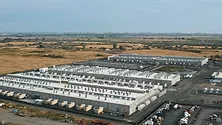
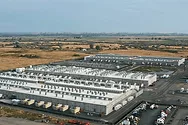
Amazon, the company once shrouded in secrecy that wants to build a $5 billion data center at Wallula Gap, is looking to buy even more land for the project.
How many times a day do artificial intelligence summaries of emails or Google searches pop up, unasked for and without the option to turn them off? How often do users engage with images and videos generated by AI with no tags to identify the content as fake? For one local business owner, the answer is: too much.
As it stands, data center operators in most Washington counties do not pay the 6.5% sales tax on server equipment. That equipment is typically replaced every three to five years, and current law exempts sales tax on purchasing new or replacing old server equipment. It also doesn’t apply sales tax to labor hired to install the equipment.
Scientists are embedding organisms like fungus and bacteria into building materials so they will provide structure while also doing things like capturing carbon or filtering wastewater.
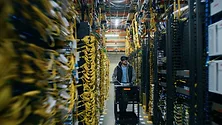
Hermiston is featured in a recent study asserting Amazon’s data centers aren’t negatively affecting energy resources in the communities where they’re located and are instead actually lowering costs for residents and bringing other economic benefits.
With data centers expected to become the largest source of electricity demand in the Pacific Northwest, Washington legislators are pressing ahead with a bill aimed at protecting the grid and offsetting potential hikes for utility ratepayers.