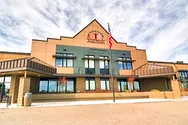
Kennewick School District is one of 10 Washington school districts selected for a Microsoft program to expand artificial intelligence skills among the state’s future workforce.
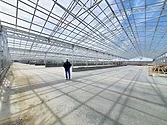
Kennewick is turning wastewater and sewage sludge into nutrient-rich Class A fertilizer using innovative greenhouse-based technology, creating a sustainable, revenue-generating solution for the city.
OSC Technical Solutions is using AI and cybersecurity expertise to support the Hanford cleanup and prepare for the next generation of nuclear projects.
Hanford remains the nation’s most expensive and technically complex cleanup project, and delays, legal obligations and debates over how to treat tank waste – including whether to vitrify or grout certain wastes – mean the site could still take decades and tens of billions more to fully clean up.
Hanford is being repositioned for a new wave of nuclear development – but that push is running into longstanding concerns about cleanup, oversight and trust.
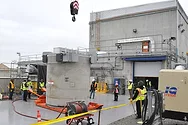
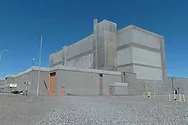
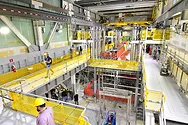
Treated waste from the Hanford site’s leaking underground tanks continues to move incrementally through what local officials consider the world’s most cutting-edge treatment facility as workers assess its systems and infrastructure.
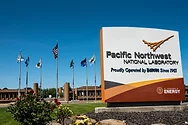
Research programs at Pacific Northwest National Laboratory may be facing more belt tightening if President Donald Trump’s budget proposal for the next fiscal year is implemented.
The findings, published in the Rutgers Business Review, reinforce the need to apply skepticism and caution when using AI for critical tasks, especially those that involve nuance or complicated reasoning.
Projects aimed at nuclear energy and education at Washington State University Tri-Cities are among the 10 projects to receive inaugural awards from a research initiative from WSU President Betsy Cantwell.
A state-level economic development association singled out the ports of Benton and Walla Walla for accolades in its annual awards for securing the most economically significant development projects in the past year.