100K gallons of waste turned to glass at Hanford
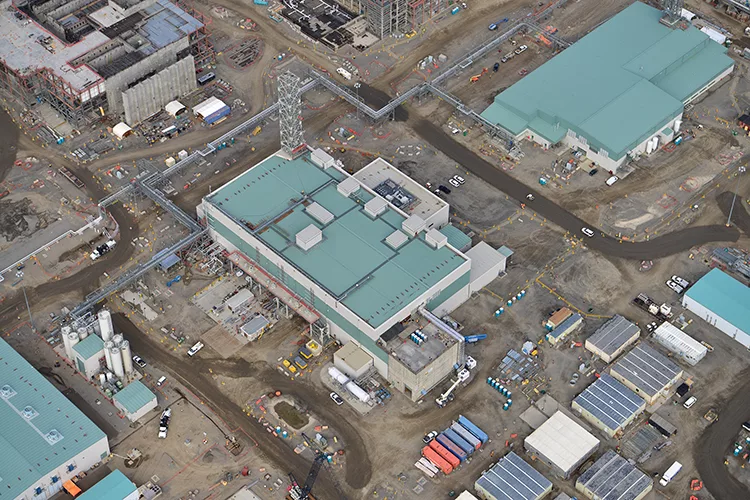
It took about five months for workers to pump the first 50,000 gallons of tank waste through Hanford’s state-of-the-art Waste Treatment Plant.
Now, only two months after hitting that milestone, the total amount of treated tank waste is more than double that amount.
Officials with Bechtel National, the Hanford site contractor responsible for designing, building and testing the facility, commonly known as the vitrification or vit plant, lauded the accomplishment, saying it reflects momentum in the cleanup effort and progress toward the next chapter for the Hanford site.
“This achievement is a testament to the dedication and expertise of our team. Each gallon of immobilized waste brings us closer to a cleaner, safer environment and revitalized community,” said Brian Hartman, senior vice president and WTP project director, in a statement.
Hanford officials have long said the vit plant is the largest and most technically sophisticated radioactive waste treatment plant in the world. It cost billions of dollars and took decades to build with the goal of processing the 56 million gallons of waste stored in 177 underground tanks at Hanford, a legacy of nuclear weapons manufacturing dating back to World War II and the Cold War.
The vit plant began processing waste in mid-October 2025 as required by an agreement between the state of Washington, the U.S. Department of Energy and the Environmental Protection Agency. The waste is being processed as the vit plant’s Direct-Feed Low-Activity Waste, or DFLAW, facility goes through hot commissioning, with systems being tested and analyzed ahead of the facility being operated 24 hours a day.
The tank waste is mixed with a tailored blend of chemicals to turn it into a glass form for stable and safe long-term storage, a process called vitrification. That treated waste is then stored at Hanford’s Integrated Disposal Facility.
Once the facility moves out of the hot commissioning process, contractor Hanford Tank Waste Operations and Closure, or H2C, will take on day-to-day operations.
“Treating 100,000 gallons is more than just a number; it represents our commitment to protecting the Columbia River and Tri-Cities community for future generations,” said Mat Irwin, Hanford Field Office assistant manager for tank waste operations, in a statement.