
Federal judge orders increased spill from Snake, Columbia dams
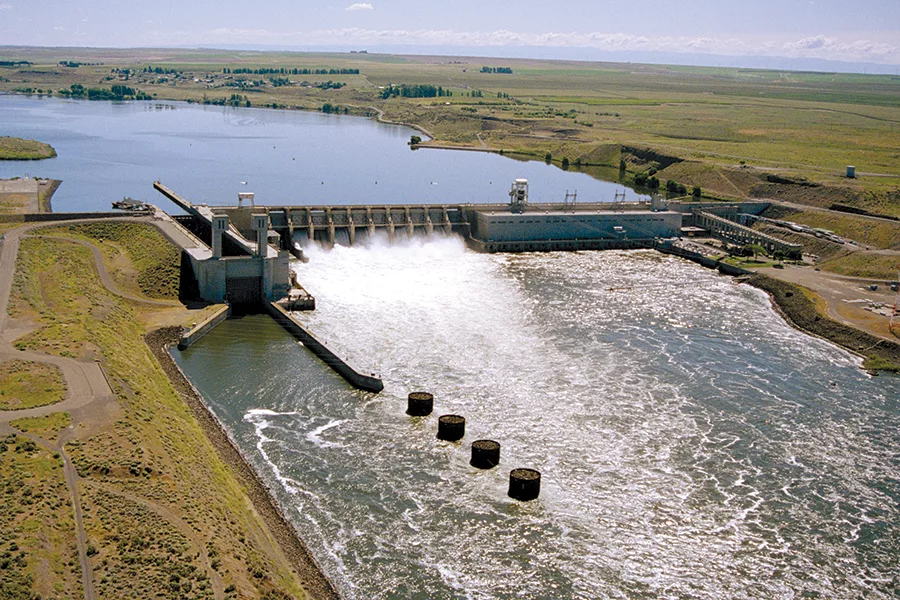
A recent federal ruling that sets how much water must spill from and stay behind the lower Snake and some Columbia river dams is garnering mixed reactions from advocates for the infrastructure that supports agriculture, energy and transportation needs across the Pacific Northwest.
Judge Michael Simon of the U.S. District Court for Oregon issued a preliminary injunction on Feb. 25 granting some of the relief sought by environmental groups, tribes and the state of Oregon to protect endangered salmon species in the rivers.
It’s the first ruling against the federal government’s dam operations that restarted after the Trump administration withdrew last year from an agreement that stayed litigation as federal agencies sought to find solutions alongside those concerned about the environmental impacts of the dams.
Federal attorneys argued the requested changes to dam operations would irreparably harm energy generation, irrigation and transportation supported by the dams.
Simon said he found those arguments unconvincing and ordered the U.S. Army Corps of Engineers to increase spill from the dams for much of the year as requested by plaintiffs. He also is requiring reservoirs not exceed minimum levels for the dams to operate, which will keep them higher than plaintiffs requested.
“The (Corps) successfully operated the dams at those levels and thus all parties can be assured of the viability of the operations for power generation, transportation and irrigation,” Simon wrote in his opinion. “Additionally, the Court includes flexibility for the (agencies) to deviate from these levels for transportation and power generation emergencies.”
The Confederated Tribes and Bands of the Yakama Nation, which was not a party to the litigation, lauded the judge's order, saying in a statement that it will prevent the federal government from implementing a proposed 2026 Fish Operations Plan they claim would have reduced spill well below the levels from the past decade.
“This ruling affirms that federal agencies cannot continue business-as-usual dam operations while salmon slide toward extinction,” said Yakama Nation Chairman Gerald Lewis in a statement. “For the Yakama Nation, salmon are a Treaty-protected resource, and the law requires meaningful action to prevent further harm and to ultimately see them recover.”
U.S. Rep. Dan Newhouse, R-Washington, however, blasted the ruling.
“Our dams remain under attack. This latest ruling increasing spill throughout the year will harm salmon populations while straining our electric grid,” Newhouse said in a statement. “Once again, environmental activists are using judicial allies to threaten our hydroelectric system, which provides clean, baseload energy to millions in our region.”
But the Kennewick-based Columbia-Snake River Irrigators Association, or CSRIA, said in a statement that Simon’s ruling will prevent severe and immediate harm to irrigators, power generation and navigation on the rivers.
“While the court’s initial ruling protects irrigators in the near term, CSRIA recognizes that broader regional debates over Lower Snake River dam operations will continue,” according to the organization’s statement.
The lawsuit, which started nearly 25 years ago, claims dam operations on the Columbia and Snake rivers contribute to the decline in 14 endangered salmon species. The litigation and multiple others against the federal government regarding dam operations were stayed in 2023 when all the parties agreed to mediation to address dam impacts, including consideration of breaching the four dams on the lower Snake River.
However, President Donald Trump issued an executive order in the summer of 2025 pulling the federal government out of that agreement. That resulted in environmental groups, tribes and the states of Oregon and Washington reinitiating their lawsuits in the fall of 2025.
Simon did not grant all of the relief requested by the plaintiffs. He declined to order the federal government undertake specific infrastructure repair and maintenance projects at several dams or conduct specific conservation measures.

Stay Informed. It’s Free.
Subscribe to our newsletters and get the latest news and insights delivered to your inbox.
We respect your privacy.
Unsubscribe anytime.
Thank you!
You’re subscribed. Keep an eye on your inbox for the latest updates.