
You can’t control the economy, but you can control this
When it comes to money, many families I’ve spoken to recently are feeling the strain. In 30 years of financial services, I’ve rarely seen this level of discomfort.
A recent study by the Allianz Center for the Future of Retirement found that 48% of Americans reported higher financial stress heading into 2026 than a year ago. Rising everyday expenses, limited emergency savings and growing debt are driving much of that concern.
The best way to alleviate it? Understanding what you can control and making consistent decisions regardless of what the economy is doing. That’s how to gain financial confidence.
One of the most common challenges I see today is visibility.
Many households are making decisions without a clear picture of where their money is going. When people take the time to review their bank and credit card statements, patterns can quickly emerge.
For example, subscriptions you forgot you signed up for, convenience spending that became routine, or higher everyday costs can make a bigger difference than most people realize.
Clarity changes behavior. Most people don’t need to make major financial changes; they just need to see the full picture. Once they do, aligning a budget with their priorities becomes easier.
Start by writing down your basics, like housing, utilities, food and insurance. That number for your must-haves is your starting point and everything else is where you have choices.
The goal is to create a clear, understandable budget so you can better understand your financial situation before something unexpected happens.
The next step is building resilience through saving.
Car repairs, medical bills or urgent home maintenance rarely arrive at a convenient time. Without some savings set aside, those moments often end up being paid for with credit, which can create additional pressure in the form of interest in the months that follow.
Starting small, even with a $500 cushion, is enough to break the cycle of reaching for a credit card every time something unexpected happens. Build from there because the habit of consistently adding to it matters more than the amount you save.
Repetition is more important than speed. A small automatic transfer each month, one you barely notice, builds more financial stability over time than any single large deposit made in a moment of discipline.
Debt management is another growing concern, particularly in a higher-interest-rate environment.
As borrowing costs rise, balances on credit cards and variable-rate loans can become increasingly harder to manage, adding pressure to an already stretched budget.
There’s no universal answer on where to start. Some people attack the highest-interest balance first since it’s the most mathematically efficient path. Others pay off the smallest balance first because crossing something off the list helps them begin. The right strategy is the one you’ll stick with.
What I’ve seen over three decades is profound: People make smarter financial decisions when they have someone they can count on to help them think it through.
Our local economy is shaped by a diverse mix of industries, from agriculture and energy to healthcare, education and small businesses. Each experiences economic change differently, and those shifts directly affect the financial decisions families and employers are making.
The economy will keep doing what economies do. It will surprise you and worry you, and that’s not going to change. What can change is how prepared you are when it does.
Financial confidence is built quietly through decisions that rarely feel significant in the moment, like tracking your spending, adding to savings and chipping away at debt.
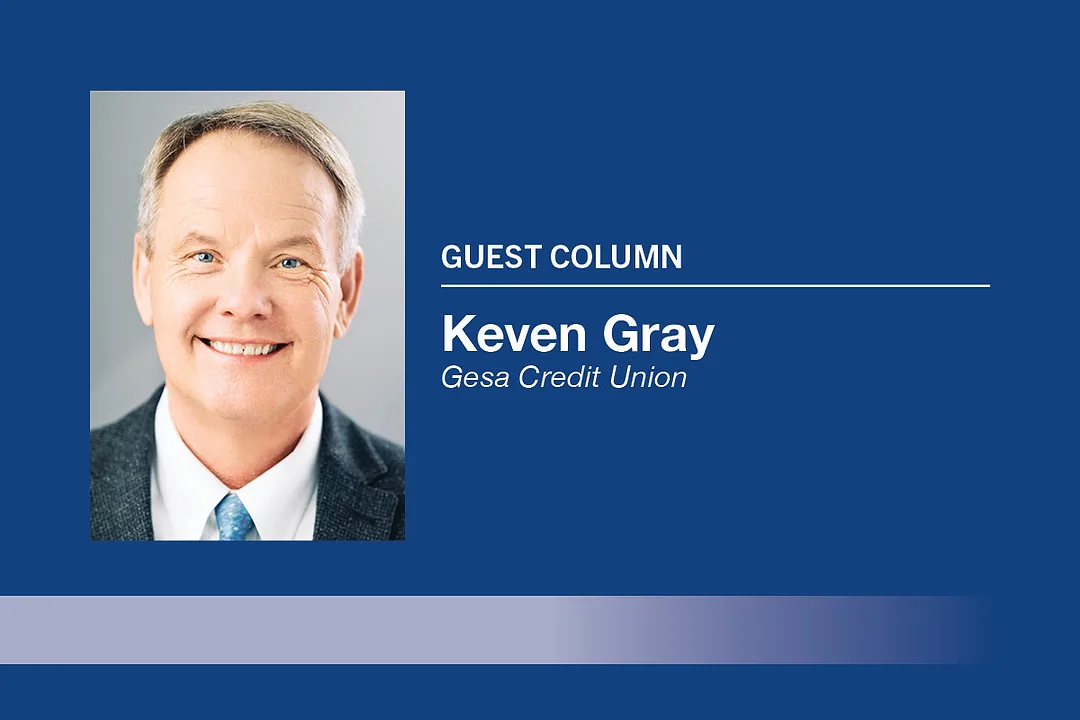
Keven Gray is the chief retail officer at Gesa Credit Union.


Stay Informed. It’s Free.
Subscribe to our newsletters and get the latest news and insights delivered to your inbox.
We respect your privacy.
Unsubscribe anytime.
Thank you!
You’re subscribed. Keep an eye on your inbox for the latest updates.