Cutting corners in design always comes at a price
The Tri-Cities region offers tremendous development opportunities but also presents unique challenges that can quickly impact project budgets and timelines. From congestion considerations and needed infrastructure upgrades to navigating multiple authorities having jurisdiction (AHJs), successful projects require understanding how regional factors affect design and construction decisions.
The difference between a smooth development process and costly surprises often comes down to identifying and addressing these challenges during the planning phase rather than discovering them during construction.
Site analysis
That prime lot in Kennewick might look straightforward until you discover it’s a former gas station with contaminated soil. Or consider the Pasco commercial site that seemed perfect until the developer learned about the utility easements and stormwater requirements that consumed half the buildable area.
Comprehensive site analysis isn’t just about identifying problems, it’s about turning site challenges into design opportunities. The steep slope becomes terraced retail with great views. The existing mature trees become the focal point of your site plan. The awkward corner lot becomes a fully-utilized site that cash-flows.
Every square foot has earning potential, but only if it’s designed thoughtfully. We’ve seen too many projects where poor space planning left money on the table – the retail space with no street visibility, the office building with unusable corners, the apartment complex with dead circulation areas that could have been amenity space.
Regulatory complexity
Anyone who’s worked in each jurisdiction – Kennewick, Richland, Pasco, West Richland and the counties of Benton and Franklin – knows the regulations can feel like different worlds. Add in the various overlay districts, individual AHJ design standards, wildfire interface requirements, and you’ve got a compliance puzzle that can derail timelines and budgets.
Projects stall for months when developers underestimate the complexity of working within these various jurisdictions and overlay districts. Experienced architects understand not just what the regulations require, but how to design in a way that makes compliance straightforward.
Value engineering
True value engineering happens during design development, not after the bids come in. It’s about understanding which elements truly add value. Sometimes that means specifying higher-quality materials that reduce long-term maintenance. Other times, it means finding creative solutions that achieve the same functional goals at a lower cost.
The most successful regional projects don’t just solve problems, they turn regional challenges into unique selling points. The hillside development that embraces wildfire mitigation becomes a model of sustainable design. The urban infill project that works with contaminated soil becomes a showcase of environmental responsibility.
These projects succeed because they recognize that our region’s specific challenges are also opportunities to create something distinctive and valuable.
Invest upfront
Proper architectural involvement from the beginning prevents the expensive surprises that kill project budgets. We catch the utility conflicts in the very first site plan. We design around the environmental constraints before they become permitting delays. We optimize the building systems before they become operational headaches.
More importantly, we help developers see opportunities they might miss. The awkward site becomes an architectural signature. The regulatory requirement becomes an amenity. The climate challenge becomes an efficiency advantage.
In whichever jurisdiction you’re hoping to improve in the Tri-Cities area, the principle remains the same: investing in proper architectural planning upfront always costs less than dealing with problems later.
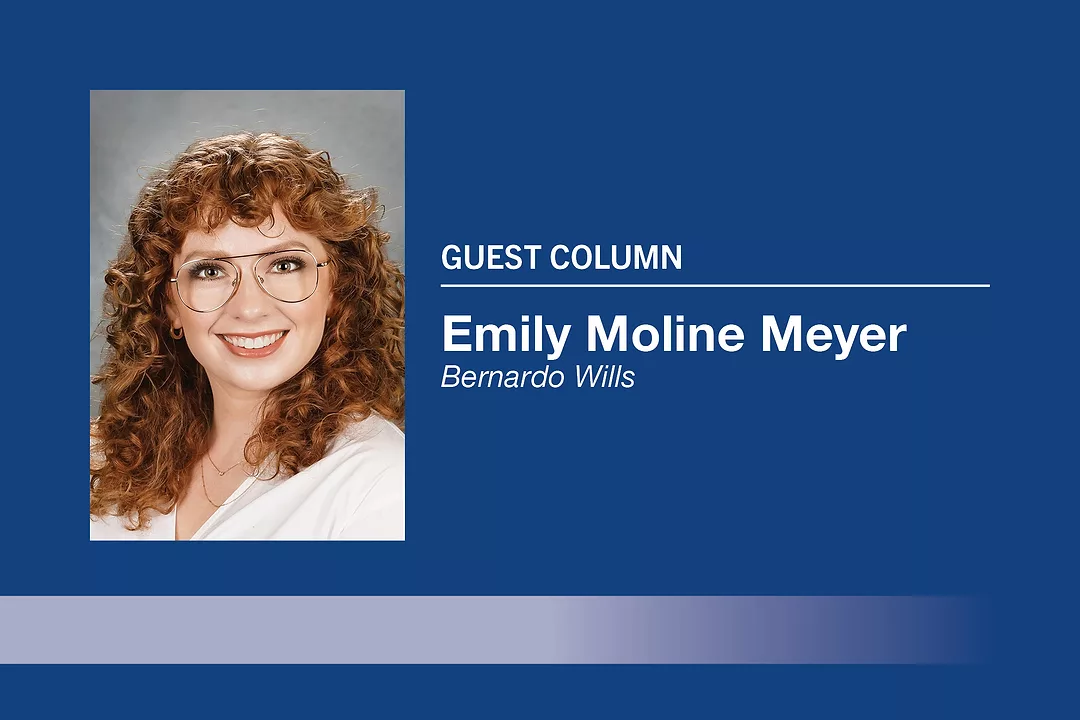
Emily Moline Meyer is the director of client services at Spokane-based Bernardo Wills, which has designed several projects in the Tri-Cities area.