Crystal ball for job growth puts Tri-Cities on top in state
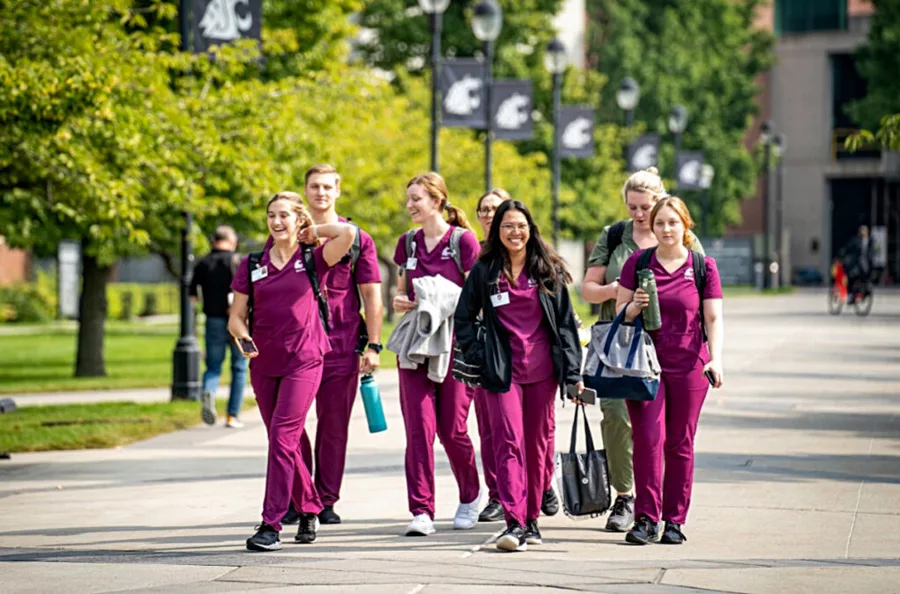
WSU College of Nursing students.
Courtesy WSUThe latest projections of job growth for Washington state aren’t anything to write home about.
The Employment Security Department recently announced that it expects the state will see 0.85% annual job growth from now until 2029, dropping slightly more after that through 2034.
“Employment projections build from historic data to tell us about what we can expect in the future,” said Anneliese Vance-Sherman, the agency’s chief labor economist, in a statement. “This year’s projections tell the story of continuing slow growth overall, with variation by location, industry and occupation.”
And yet, the Tri-Cities appear to be a relatively bright spot among this lackluster forecast.
ESD estimates that the area served by the Benton-Franklin Workforce Development Council will see growth of 0.99% through to 2029, the best of any workforce development area in the state.
Officials say the region’s diverse mix of industries, particularly ones that are expected to see the strongest demand for workers, is powering its rise as a place to find work.
But some industries are still expected to cut workers or consolidate in the coming years and it will be incumbent upon employers and their partners to ensure workers can be prepared for future jobs and can pivot when necessary to keep the region moving forward.

Cynthia Garcia
“At the end of the day, this isn't just about jobs or training programs. It’s about making sure people have options,” said Cynthia Garcia, executive director with the Benton-Franklin Workforce Development Area, in a statement. “If someone needs to change careers, we want them to know there is a path forward.”
Healthcare-related professions – registered nurses, occupational therapy assistants, home health aides and more – are among those jobs expected to see the most growth in the coming decade across the state, and that bodes well for the Tri-Cities.
Population growth is the main driver, which is supporting expansion of medical facilities and clinics, Ajsa Suljic, a regional labor economist with the state, said in comments emailed to the Journal.
Aging demographics also will boost long-term healthcare employment.
But there’s plenty of other fields where employers are expected to be looking for workers:
- Jobs in transportation, warehousing and utilities are expected to grow about 2.87% annually as the Tri-Cities solidifies its position as a logistics hub for agriculture, freight and e-commerce businesses.
- The leisure and hospitality sector is expected to grow about 1.28% annually as more lodging operations and restaurants open in response to population and tourism.
- Construction jobs will grow about 1.05% annually, again due to population growth driving housing demand, commercial development, and the need for public infrastructure.
- Professional and business services will grow 0.92% annually as the Hanford site and Pacific Northwest National Laboratory continue to support jobs in STEM fields.
Karl Dye, president and CEO of Tri-City Development Council, or TRIDEC, said he anticipates thousands of jobs forming in the region as big players in the nuclear power industry, such as Framatome, X-energy and General Matter, ramp up and build out.
“We’re going to need a huge chunk of labor,” he said.
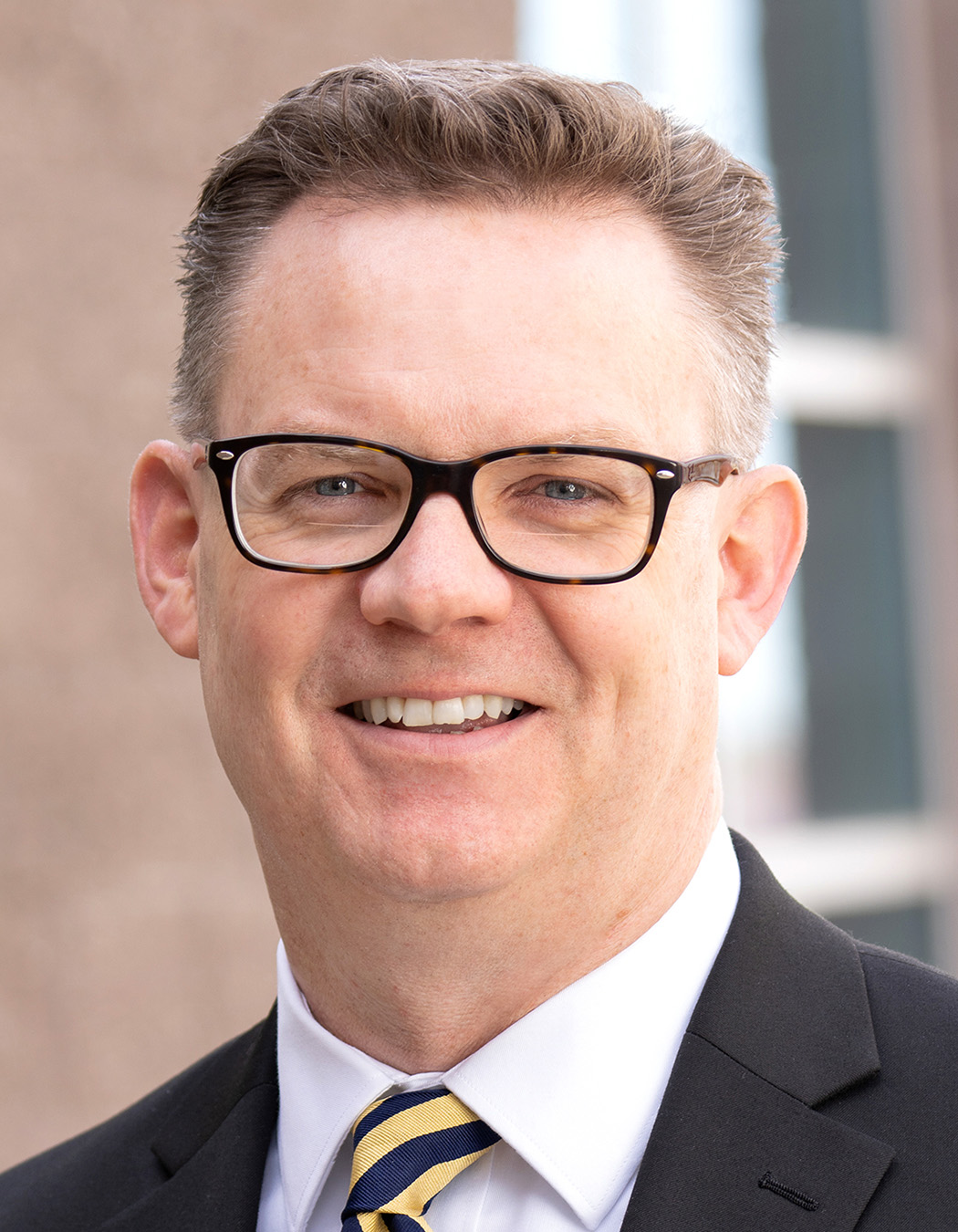
Karl Dye
But some industries are expected to lose ground. Manufacturing jobs are forecast to decline 1.10% annually as automation reduces demand for labor. Even construction could see fluctuations, as the industry becomes increasingly tied to the fate of data center projects which face increasingly stiff opposition in communities around the country, including in the Tri-Cities.
Garcia said that’s why it’s imperative for her organization work closely with employers and community leaders going forward.
“There is still more work to do. We need more employers engaged in these conversations, because they are the ones who know their industries best,” she said. “The more we can bring employers to the table, the better we can understand what is changing and the better prepared we can be as a community.”