Tourism is about more than visitors. It’s about building competitive communities
Memories are interesting.
Have you ever thought back on an experience and somehow seen yourself in the memory as if you were watching the scene unfold? Researchers call this “observer perspective,” and, interestingly, it plays an important role in workforce recruiting and community development.
Communities today compete for more than jobs and business investments. They compete for people.
When companies recruit talent, they are not just selling employment opportunities. They are selling a community, a place where people want to live, raise families, enjoy recreation and build a life. The connections they make in the destination help people construct a future autobiographical self.
I had a personal experience with this. Almost four years ago, when a recruiter reached out to me about my current position, I had never heard of the Tri-Cities. As I look back on the journey that brought me here, I can distinctly see myself walking down the Sacajawea trail watching an incredible sunrise over the Columbia River. As I contemplated making the move, I could see myself here.
My story reminds me a of participant in our Ironman 70.3 race last year who wrote: “I would have never thought about this area, without coming to race, and after I was there, I can’t wait to go back – even consider moving here.”
Observer perspective is closely associated with transitions in our lives. Someone considering a change is considering a future lifestyle, and positive experiences in the destination help shape that vision. The same assets that attract visitors to the area also attract workforce, investment, entrepreneurs, conferences and future residents.
That insight helps explain the role tourism plays in communities like the Tri-Cities.
Tourism today extends far beyond attracting visitors and supporting hotels. Research from Destinations International and Tourism Economics shows destination marketing organizations, like Visit Tri-Cities, increasingly contribute to workforce attraction, economic development and community competitiveness.
The World Bank also recognizes tourism as a driver of entrepreneurship, infrastructure investment and community development because of the way it impacts nearly every sector of a local economy.
 Courtesy Visit Tri-Cities
Tourism has become an important part of how communities position themselves for long-term success. The assets in our communities put the Tri-Cities in a position to capitalize on that.
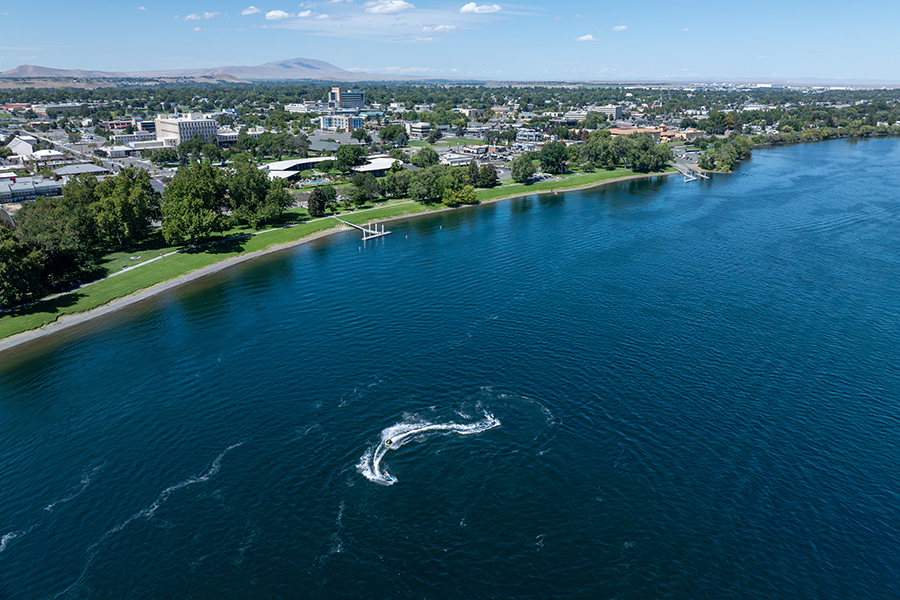
Three rivers. Outdoor recreation. More than 200 wineries within an hour’s drive. Sunshine. A growing culinary and craft beverage scene. Amazing historical accomplishments. Deep roots in science, innovation and agriculture. These are not manufactured attractions. They are the fabric of who we are.
When people experience the Tri-Cities firsthand, perceptions change. Visitors who come here for tournaments, conferences, meetings or weekend getaways take those memories home, share them with others and often return to relive them. Some eventually become residents, business owners, employees, investors or advocates for the region.
The economics of this are substantial, and they touch almost every part of our community.
Visitor spending in Benton and Franklin counties reached nearly $657 million in 2025, generating more than $83 million in state and local tax revenues. Tourism supports nearly 8,500 jobs throughout the region and contributes more than $1.1 billion in business sales. Those visitor-generated revenues help support community infrastructure and services while reducing the annual tax burden on local households by an estimated $602 per year.
But the bigger story is what those numbers help build.
Tourism supports the dining, recreation, youth sports and community events residents enjoy throughout the Tri-Cities. Visitor spending strengthens the businesses and experiences that contribute to everyday life here. Without visitor spending, many of those opportunities wouldn’t survive.
Today we’re seeing investments in infrastructure that will strengthen the region.
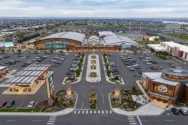
The expansion of the Three Rivers Convention Center will add approximately 115,000 square feet of new space, including a 60,000-square-foot exhibit hall, expanded meeting space, and enhanced event capabilities designed to help the Tri-Cities compete for larger conventions, trade shows, sporting events and community gatherings.
The adjacent AC Hotel by Marriott and additional hotel development throughout the region signal growing confidence in the future of the Tri-Cities. Strong visitor demand and destination visibility also support broader regional assets, including the continued growth and connectivity of the Tri-Cities Airport.
The new Pasco Aquatic Center and a new destination golf-course above the Snake River are further examples of how recreation, tourism and livability increasingly intersect. Facilities like these support sports tourism while improving daily life for residents.
These projects are much more than tourism assets. They are competitive assets that create an environment people genuinely want to experience and ultimately call home.
 Courtesy Visit Tri-Cities
Visit Tri-Cities is helping fuel this kind of transformational growth by connecting workforce and community development initiatives to life-changing memories. Memories are built in communities that align tourism, events, partnerships and destination development.
These collaborative efforts attract new investment, elevate the region’s profile and strengthen long-term competitiveness while helping people envision a future here – like the narrative my mind beautifully painted four years ago during a sunrise walk along the Columbia River.
Kevin Lewis is president and CEO of Visit Tri-Cities.