
What great team leaders do differently
Have you ever been part of a team where everyone seemed to click? Meetings were productive. People enjoyed working together. Problems were solved instead of ignored. Success wasn’t the result of one superstar. It was the product of great leadership.
I’ve spent years asking leaders a simple question: “Who was the best leader you ever worked for, and what made them so effective?”
The answers are remarkably consistent. People rarely mention technical expertise or intelligence first. Instead, they describe leaders who listened well, cared deeply, communicated clearly, stayed humble and helped others succeed.
That’s because leadership isn’t just about directing people. It’s about building a team that accomplishes more together than any individual could accomplish alone.
As leadership expert John Maxwell says, “Everything rises and falls on leadership.” So what separates terrific team leaders from average ones?
They hire for attitude, not just aptitude.
Skills can be taught. Character is much harder to develop. Great leaders intentionally look for people who collaborate well, communicate honestly and genuinely enjoy helping others succeed. A team player doesn’t ask, “What’s in it for me?” They ask, “How can I help us win?”
They give people a purpose worth pursuing.
People don’t become passionate about a paycheck. They become passionate about a mission. The best leaders continually remind their teams why their work matters. Vision gives direction during uncertainty and confidence during challenges. Without purpose, people simply complete tasks. With purpose, they build something meaningful.
One leadership mentor once told me, “People forget the vision much faster than leaders think.” That’s why great leaders communicate it over and over again.
They learn what makes each person unique.
No two employees are wired exactly alike. Some are natural relationship builders. Others thrive on details. Some love taking charge, while others quietly keep everything organized behind the scenes.
Leaders who understand personality differences stop expecting everyone to think like they do. Instead, they leverage each person’s natural strengths. When people are allowed to contribute in ways that fit their strengths, engagement and performance both increase.
They help everyone see how the pieces fit together.
Many employees only see their own responsibilities. Great leaders continually connect individual work to the bigger picture.
Think of a puzzle. Every piece looks insignificant by itself. But together they create something valuable. When people understand how their work contributes to the organization’s success, ownership grows naturally.
They intentionally build relationships.
Teams don’t automatically become close simply because they work in the same building. Healthy teams invest time together. They celebrate wins, solve problems together, laugh together, and support one another during difficult seasons.
Culture isn’t created by accident. It’s created by repeated behaviors that eventually become “the way we do things around here.”
They establish systems that support teamwork.
Strong relationships are important, but healthy processes are equally essential.
Clear roles. Defined responsibilities. Effective meetings. Open communication. Reliable follow-through.
When expectations are unclear, frustration grows. When systems are healthy, people can focus their energy on serving customers instead of navigating confusion.
They recognize team-first behavior.
What gets rewarded gets repeated. Many organizations unintentionally celebrate individual achievement while overlooking collaboration. Terrific team leaders make a point of recognizing employees who help others, solve problems together, and put organizational success ahead of personal recognition.
Sometimes a sincere thank-you has more impact than an expensive reward.
As Samuel Johnson wrote, “The applause of a single human being is of great consequence.”
They address problems early.
Conflict isn’t a sign of failure. Ignoring conflict is. When someone drifts away from the team’s purpose or begins operating from personal agendas, effective leaders step in quickly with caring, direct feedback.
The goal isn’t punishment. It’s realignment. Feedback works best when it’s focused on behaviors rather than personalities. People are much more willing to change what they do than defend who they are.
They regularly evaluate the team.
Championship teams review the game film. Healthy organizations regularly ask questions like:
- What’s working?
- What’s getting in our way?
- Where are we improving?
- What needs to change?
The best leaders don’t wait until there’s a crisis to evaluate performance. Continuous improvement becomes part of the culture.
They continually invest in their people.
Perhaps the greatest difference between good leaders and great leaders is this: Great leaders never stop developing their teams.
They provide learning opportunities. They encourage curiosity. They stretch people with new responsibilities. They remove barriers instead of creating them. Their goal isn’t simply to build a productive workforce, but to build better leaders.
The healthiest organizations understand that leadership development isn’t an event. It’s a culture. At the end of the day, every leader has a choice. You can simply supervise a group of employees. Or you can intentionally build a team united by trust, purpose, communication, and shared success.
That investment pays dividends in employee engagement, customer satisfaction, innovation, and organizational performance. Great teams don’t happen by accident. They are led that way.
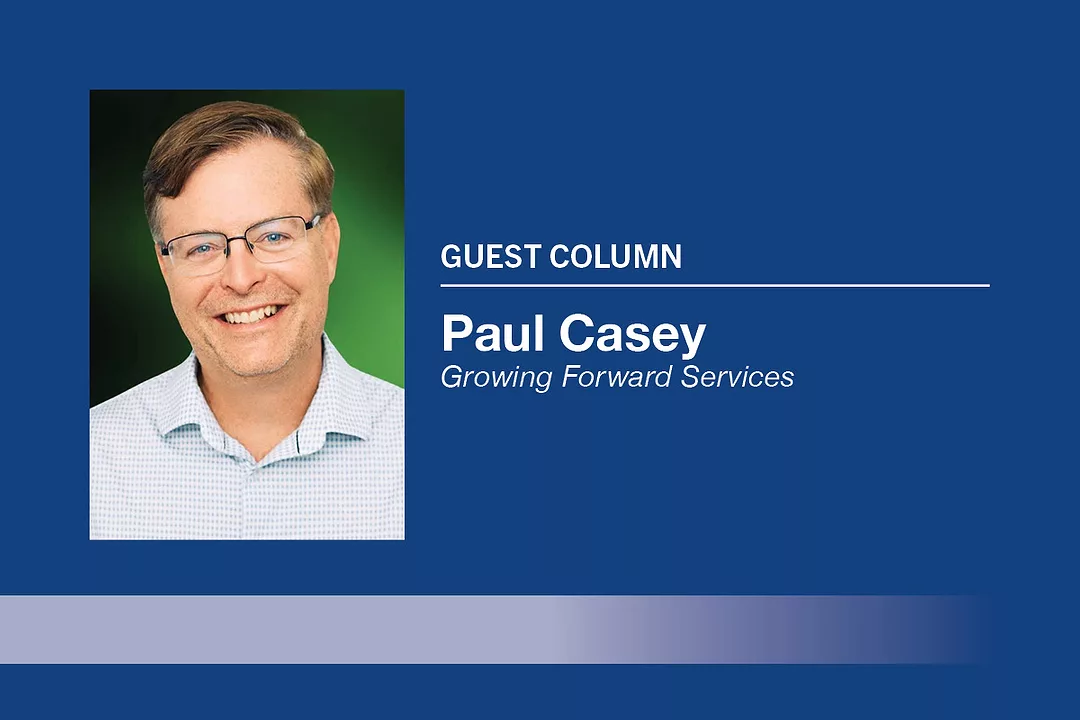
Paul D. Casey lives in the Tri-Cities and is the owner of Growing Forward Services, which aims to equip and coach leaders and teams to spark breakthrough success.


Stay Informed. It’s Free.
Subscribe to our newsletters and get the latest news and insights delivered to your inbox.
We respect your privacy.
Unsubscribe anytime.
Thank you!
You’re subscribed. Keep an eye on your inbox for the latest updates.