
Romance scams have a dangerous new high-tech playbook
Romance scams haven’t disappeared; they’ve simply adapted to the times. Today’s scammers use artificial intelligence, deepfake videos and convincing fake investment platforms to build trust and steal money. The emotional manipulation is familiar, but the financial angle has changed in ways that catch even cautious people off guard.
For years, romance scams followed a predictable script: someone meets you online, builds trust quickly, professes love, and eventually asks for money. The request was usually tied to travel, medical bills or an emergency. Those scams still exist, but modern fraudsters have added new technology and new tactics that make their schemes feel far more believable.
Emotional grooming
The emotional hook is the same, but the first contact often looks different. You might receive a “wrong number” text that turns into a friendly chat. A stranger might send a social media message that seems meant for someone else.
Some scammers even place a second call pretending to be embarrassed about the mix‑up just to keep you talking. Once the conversation begins, they work quickly to build a connection. But instead of asking for money to visit you, they offer something that feels helpful: “Let me show you how I’m making money.”
Today’s romance‑investment scams blend emotional grooming with technology.
The scammer creates a fast emotional bond and then moves the conversation to a private messaging app.
Soon, cryptocurrency appears as a “can’t‑miss” investment opportunity, supported by screenshots showing impressive but entirely fake profits.
Victims are coached step-by-step into opening a crypto wallet and using a fraudulent trading platform designed to look legitimate. As the fake profits grow, the scammer pressures the victim to invest more to “unlock” even bigger returns. The moment the victim tries to withdraw money, the platform locks them out and the scammer disappears.
This process is known as financial grooming. Scammers maintain constant contact, often messaging several times a day with affectionate greetings and future‑building promises like, “We’ll travel,” or “We’re a team.”
They build trust by guiding every click and every deposit, creating the illusion of partnership. Eventually, the scheme collapses, leaving the victim without their savings and without the person they believed they were building a life with.
Early red flags
There are several red flags that often appear early. Scammers typically avoid real‑time video calls and bring up cryptocurrency quickly. They fall in love at an unrealistic pace but discourage you from talking to friends or family about your new relationship or investment opportunity.
Protecting yourself starts with slowing down. Pausing breaks the scammer’s script. Verify the identity of your new “friend” through reverse‑image searches.
Never send money or cryptocurrency to someone you haven’t met in person, and talk with someone you trust if something feels off.
Finally, report suspicious contact to the Federal Trade Commission at FTC.gov, the FBI’s Internet Crime Complaint Center at IC3.gov, and your bank or crypto exchange.
Romance scams aren’t about love, they’re about leverage. Scammers use technology to create trust; they’re patient because they’re aiming for a big payday. When we understand the tactics, we take that leverage away.
Stay informed
To stay informed, join AARP Washington’s Fraud Watch Friday, held the third Friday of each month from 10:30 to 11:30 a.m. Register at aarp.org/FWF.
For ongoing updates and tools, visit the AARP Fraud Watch Network at www.aarp.org/fraudwatchnetwork.
If you suspect fraud or need help, call the free AARP Fraud Watch Network Helpline at 877‑908‑3360 to speak with trained fraud specialists.
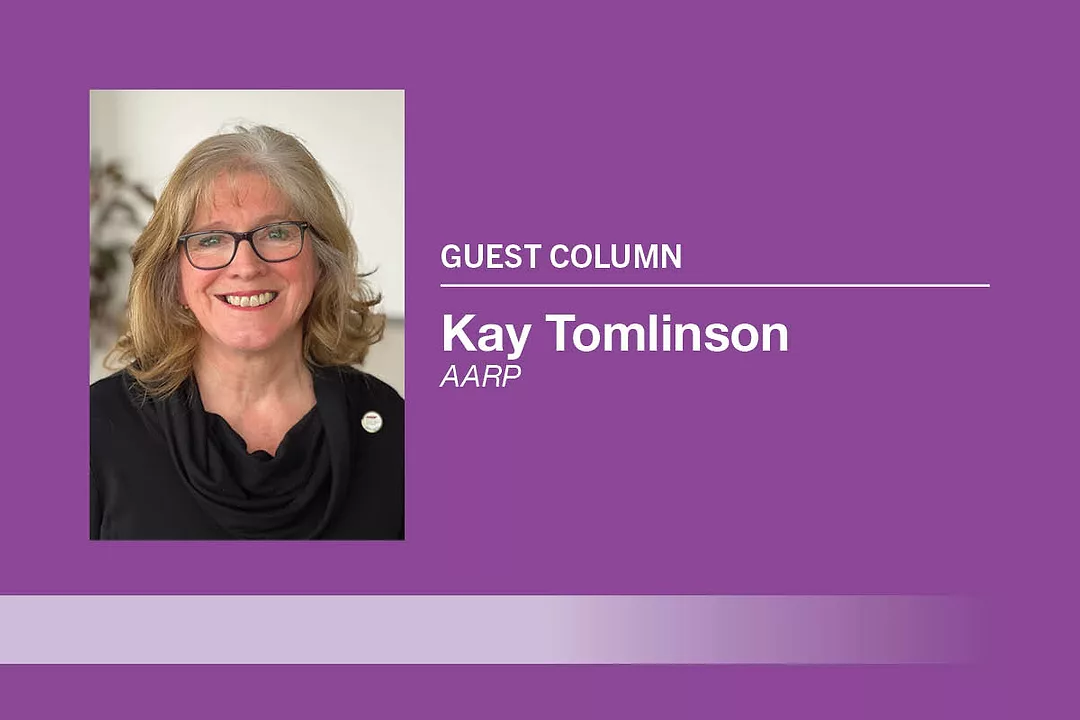
Kay Tomlinson is an AARP volunteer fraud specialist.