
President Donald Trump is directing federal agencies to withdraw from a settlement with tribes and the states of Washington and Oregon that could have led to the breaching of the Snake River dams.
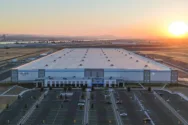
Once the new Pasco facility is fully operational, it will be able to process up to 8 million pounds of milk a day –equivalent to 930,233 gallons – to produce butter and powdered milk products for domestic and global markets.
The company’sfailure to provide records for a scheduled compliance review led state labor investigators to uncover the company’s alleged failure to inform thousands of its workersof details of their jobs and compensation as required by state law.
While the state oversees groundwater permits, some of the water comes from surface level irrigation as part of the U.S. Bureau of Reclamation’s Columbia Basin Project. That co-mingling has made it difficult to determine who gets to use that water and what agency is responsible for it.
Many of Washington's undocumented immigrants work in agriculture and the report showed losing just 5% of the workers would severely affect the state's food production, leading to higher prices.
Ecology officials are seeking public feedback on an updated clean water permit for Simplot Feeders, the largest feedlot in the state. The 705-acre feedlot typically has 40,000 head of cattle on site with capacity for 100,000.
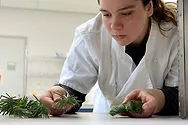
High school students in Kennewick School District’s FFA programs have been growing and caring for a variety of plants – from flowers to vegetables – and now they are sharing them at upcoming plant sales.
A Richland-based agricultural company is reforming its hiring practices and paying a fine to the state Attorney General’s Office after an investigation into discriminatory employment practices and misrepresentations to local farmworkers about job opportunities.
Washington is among the most trade-dependent states in the nation, with more than $58 billion in exports in 2024 and 40% of jobs tied to trade. According to the governor’s office, new and retaliatory tariffs could cost the state’s agriculture sector $7.5 billion, with significant hits expected to apples, cherries, potatoes, wheat and dairy.