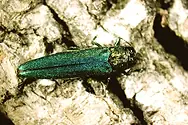
The emerald ash borer, one of the most destructive invasive pests in the nation, has been detected in multiple trees outside of Walla Walla in Eastern Washington.
Benton County commissioners are considering a cloud seeding pilot project for the Horse Heaven Hills in response to the persistent drought that is affecting the region.
The 2026 irrigation season is winding down with junior and senior water rights holders in the Yakima Basin expected to receive 100% of their normal October water supply. But state officials warn that drought conditions persist.
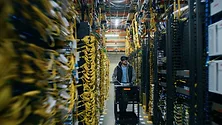
Tech giant Amazon has announced it will no longer use nondisclosure agreements, will engage with the public sooner and more frequently, and make water and energy use commitments related to its data center development efforts as public opposition to such projects continues to grow.
The public has an opportunity to learn more about the draft findings of a state study analyzing the potential transportation impacts if the lower Snake River dams are ever removed.
When it comes to meeting its own greenhouse gas emissions, Washington is behind the curve on transitioning to electric vehicles. The transportation sector is the highest emitter in the state, accounting for 40% of total emissions, and will likely be the most difficult to decarbonize.
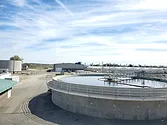
Three Mid-Columbia wastewater treatment facilities are among those being celebrated by state ecology officials for protecting water quality and public health.
The rare 2026 issue that draws huge support from Republicans and Democrats in Congress is the same one that’s mobilized many Americans: restrictions on giant data centers.