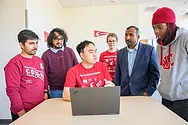
As artificial intelligence becomes more prevalent, Washington State University is offering a new master’s degree starting this fall to help students meet industry demands.
If you use an Android device, the Washington state attorney general and a coalition of other state justice officials may have just secured you a few bucks of compensation.
The U.S. Department of Energy has officially reclassified some waste being stored in tanks at the Hanford site, paving the way for it to be treated by a means different than vitrification.
Cryptocurrency continues to face pressure in the Mid-Columbia from government officials concerned about its use by criminals to allegedly scam residents.
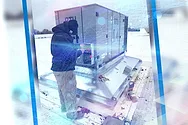
Researchers at Pacific Northwest National Laboratory and their partners have been working on the next generation of heating, ventilation and air conditioning units and are now ensuring they provide the energy efficiency and reliability they were designed for.
You may not be able to die of dysentery in a new video game recently developed at Pacific Northwest National Laboratory, but its aquatic setting is no less perilous.
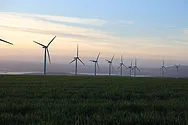
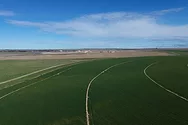
Klickitat County is covered by rolling hills of hay production, vineyards and grazing livestock. But the county, which is roughly the size of Delaware and has about 24,300 residents, is also an epicenter in the region’s battles over clean energy facilities and more recently, data centers.
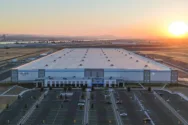
Amazon will host a community open house for its proposed data center near the Tri-Cities at Wallula Gap for those interested in learning about the project.
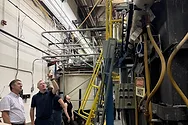
Hanford site contractors, U.S. Department of Energy officials and other partners recently completed a test of technology for the still-under-construction High-Level Waste Facility of the site’s Waste Treatment and Immobilization Plant two months ahead of schedule.
Researchers at Pacific Northwest National Laboratory are teaming up with one of Amazon’s companies to find artificial intelligence tools that can help make the electric grid more reliable and secure.