The U.S. Department of the Treasury recently released new guidance for participating states, scholarship-granting organizations and taxpayers as the federal scholarship tax credit program prepares to take effect in January.
Tech giant Amazon has announced it will no longer use nondisclosure agreements, will engage with the public sooner and more frequently, and make water and energy use commitments related to its data center development efforts as public opposition to such projects continues to grow.
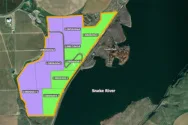
The public has an opportunity to learn more about the draft findings of a state study analyzing the potential transportation impacts if the lower Snake River dams are ever removed.
The union representing staff of Democratic state senators in Washington has overwhelmingly rejected a new two-year contract, citing its lack of adequate protections for workers facing termination.
Washington state’s minimum wage will grow by 60 cents per hour in 2027, reflecting the continuing impact of inflation and other cost-of-living increases on workers.
Washington State University’s Energy Program has released a new residential energy code calculator, replacing an existing spreadsheet tool used by homebuilders to document energy code compliance efforts
The Washington Attorney General’s Office says a plan by the Bonneville Power Administration to change how it calculates how much money it allocates to those getting their power from private utilities will unnecessarily raise rates, including for some in the Mid-Columbia.
A newly-adopted plan for Richland’s parks, recreation programs and open space calls for improving park facilities throughout the city, from playgrounds to Howard Amon Park’s Fingernail Stage.