For the first time in years, we have a realistic opportunity to move much faster, without sacrificing safety or effectiveness. The only unacceptable option now is inaction.
Environmental impact statements can take federal agencies months or years to draft. A new tool from Pacific Northwest National Laboratory and OpenAI is testing whether AI can speed that process up – without cutting corners on rigor.
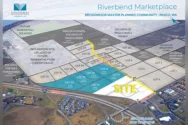
A Swiss company’s plans for a zero-carbon fertilizer plant and a data center north of Richland are moving forward despite citizens voicing concerns about the projects.
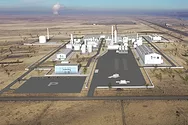
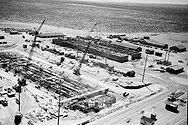
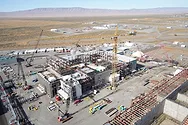
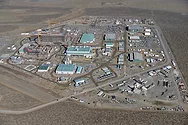
Months after denying a strategy shift, DOE is advancing a plan to grout more Hanford tank waste instead of vitrifying it – drawing state and watchdog pushback.
Software development consistently ranks among the jobs that artificial intelligence is most likely to displaceover the next decade, with customer service, graphic design, accounting and data entry also topping the vulnerability lists. Entry-level workers and those in Generation Z — people in their teens and 20s today — also could be hit hard, as experts predict AI will most easily automate the type of repetitive work they tend to do starting out.
Thousands of Tri-Cities workers at the Hanford nuclear site and Pacific Northwest National Laboratory are watching a federal budget process that could determine whether a second consecutive year of deep job cuts can be avoided.
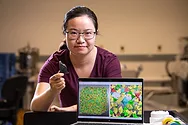
With the help of artificial intelligence, research from scientists at the Pacific Northwest National Laboratory in Richland could help optimize the vitrification of nuclear waste at Hanford and other nuclear sites.
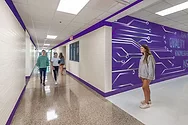
Pasco School District has kicked off projects aimed at supporting career and technical education, or CTE, in its high schools using proceeds from the bond approved by voters three years ago.